Protecting Tiny Tracks, One Sunrise at a Time - Meet B.J. Buffington
For 20 seasons, RiverTown resident B.J. Buffington has dedicated her mornings to protecting endangered sea turtles and their hatchlings - helping keep Northeast Florida’s beaches safe, one nest at a time.
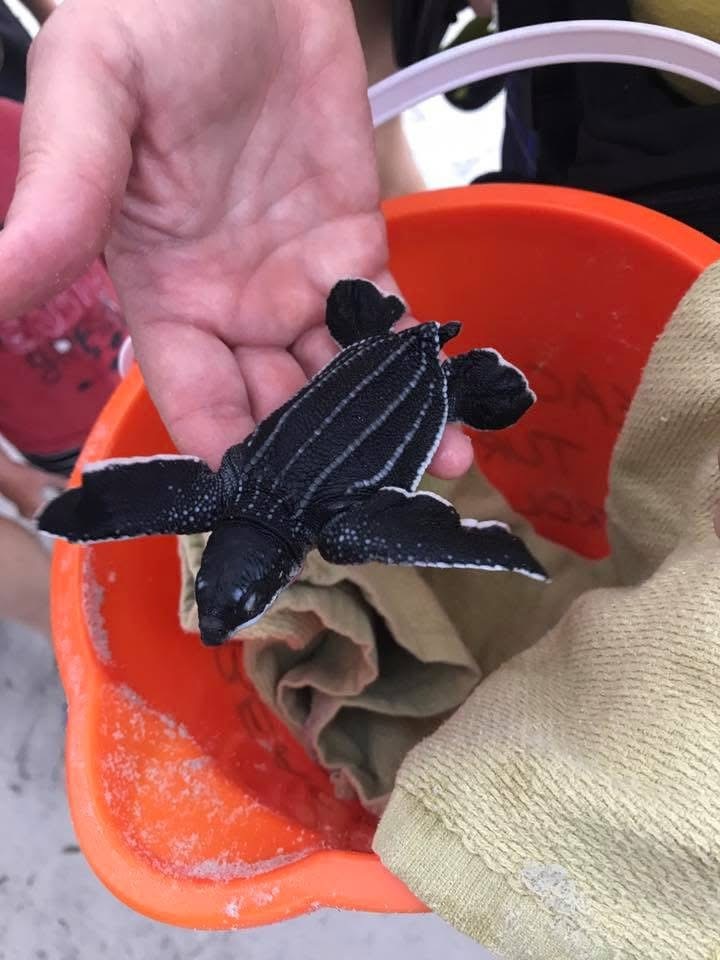
Before most of us have poured our first cup of coffee, B.J. Buffington may already be several miles into a walk along the beach, watching the sunrise and searching the sand for signs of some of Northeast Florida’s most treasured visitors.
For B.J., those early mornings are about much more than a beautiful view.
A RiverTown resident for five years, B.J. volunteers with Beaches Sea Turtle Patrol (BSTP), an all-volunteer nonprofit organization working to preserve endangered marine turtles in Atlantic Beach, Neptune Beach and Jacksonville Beach. The organization conducts activities authorized by the Florida Fish and Wildlife Conservation Commission (FWC), partners with FWC and the Sea Turtle Stranding and Salvage Network, and assists with research projects conducted by various organizations.
And for B.J., this isn't a new passion. This year marks her 20th season working with sea turtles.
A Passion That Started in College
B.J.'s love of conservation and wildlife goes back decades. With a degree in biology and wildlife ecology - and a lifelong love of turtles - she first began working with sea turtles during summers while attending college in Texas.
When she later moved to Florida, she was thrilled to find an opportunity to continue.
“Conservation is a true passion of mine, as well as being a turtle lover,” B.J. says. “I wanted to be hands-on helping with educating the public, as well as maintaining an active role in helping whatever way I could.”
And there is one little perk to the job.
“Of course, mornings at the beach for sunrise aren’t too bad either,” she jokes.
What Happens While We're Sleeping
During sea turtle nesting season, which runs from May through October, B.J. volunteers two mornings each week as a permit-authorized volunteer. To participate, volunteers must complete FWC training each year.
One morning is spent on foot patrol, where B.J. walks a 3.5-mile section of beach looking for signs of nesting activity.
Her second morning is spent with the buggy response team, responding to activity reported by other patrollers.
That work can include documenting and marking new nests, repairing disturbed nests, recording nests that have hatched, responding to disoriented hatchlings, documenting stranded sea turtles and predation events, and addressing evidence of human interference.
Each track in the sand can tell a story - and knowing how to read those signs helps the team protect both nesting mothers and the tiny hatchlings that will eventually emerge.
The Biggest Challenge? Us.
While nature presents plenty of challenges for sea turtles, B.J. says one of the greatest threats the patrol encounters is something people have the power to change: human interference.
Volunteers routinely find people walking through marked nesting areas, beach chairs and equipment left behind overnight, large holes left in the sand and off-leash dogs disturbing nests or encountering hatchlings.
Even something as seemingly harmless as leaving lights visible from a beachfront window can cause problems. Artificial lighting can interfere with the natural process that guides newly hatched turtles toward the ocean.
For B.J., that makes education an important part of her role.
“My job is to help educate and make people aware of the dangers our sea turtles face every day and work with the public to make it better for our turtles,” she says.
Fortunately, protecting them doesn't always require a huge commitment. Beachgoers can make an important difference simply by remembering three words:
CLEAN. DARK. FLAT.
Clean: Take your belongings and trash with you when you leave the beach.
Dark: Reduce artificial lighting that may be visible from the shoreline.
Flat: Fill in holes and flatten large sand structures before leaving.
They're small actions that can make a very big difference to a turtle trying to nest - or a hatchling making the most important journey of its young life.
A Moment That Never Loses Its Magic
After two decades of working with sea turtles, you might think B.J. would be accustomed to seeing hatchlings.
She's not.
“The most rewarding thing is watching sea turtle hatchlings crawl to the ocean,” she says. “There are truly no words to describe how magical it is watching a brand-new life do exactly what it’s meant to do - emerge from an egg and journey down the beach, through the waves and out into the ocean.”
“It truly never gets old.”
She gets almost as much enjoyment from watching others discover that magic. B.J. loves talking with beachgoers about sea turtles, explaining what the patrol is doing and showing people how simple changes can help.
Seeing someone become excited about conservation because of something they witnessed on the beach is another reminder of why she keeps showing up season after season.
And this season has given B.J. and her fellow volunteers plenty to be excited about: Beaches Sea Turtle Patrol has experienced a record number of nests.
RiverTown Can Help, Too
As nesting season winds down in October, there are several ways RiverTown neighbors can support the mission.
BSTP is funded entirely through public donations, and donations are tax-deductible. Those interested in becoming more involved can also watch for volunteer opportunities, which typically open near the beginning of the year and are announced through the organization's social media.
But perhaps the easiest way to help is simply to remember B.J.'s message whenever you visit our beaches:
Keep them clean, dark and flat.
And if you ever encounter a sea turtle on the beach, B.J. has one important request: Call Beaches Sea Turtle Patrol immediately.
Reports from the public help volunteers respond quickly, make sure the animal is safe and properly document the activity.
Twenty seasons later, B.J. is still willing to wake up early, walk miles of shoreline and give her time to animals that may never know she was there.
But perhaps that's part of what makes her work so meaningful.
Sometimes making a difference isn't about being recognized for what you do. Sometimes it's simply about clearing the path so that a tiny hatchling can follow its instincts, reach the waves - and begin its journey into the ocean.