109 Peachtree Circle
A Distinctive Neel Reid Design With More Than a Century of Ansley Park History
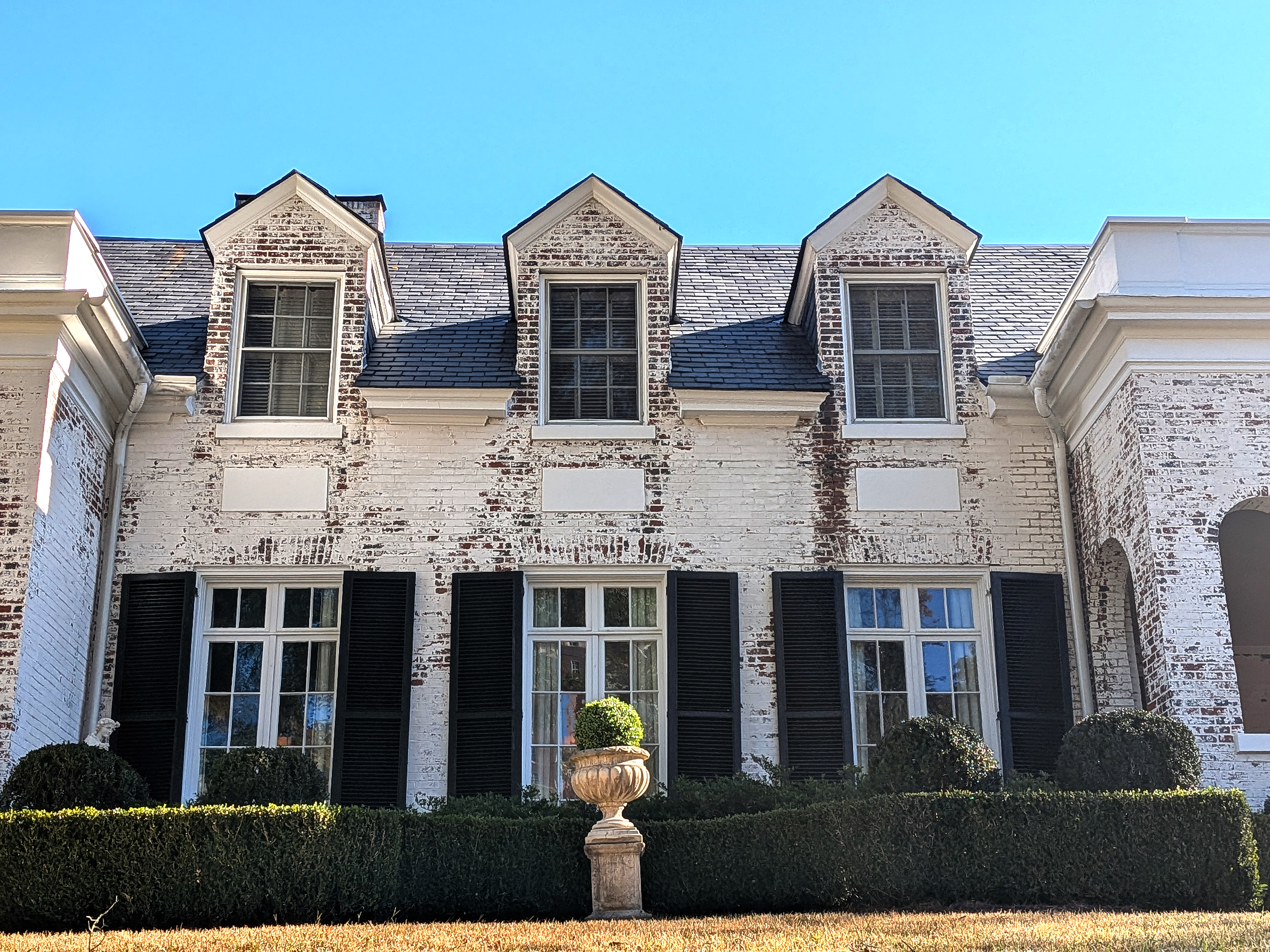
Some homes simply occupy a place on a street. Others become part of a neighborhood's identity.
Completed in 1921, 109 Peachtree Circle has stood for more than a century along one of Ansley Park's most distinguished residential streets. The home was designed for Stephen Lynch by Neel Reid, one of Atlanta's leading residential architects of the early twentieth century and a partner in the renowned firm of Hentz, Reid & Adler.
Reid completed the final drawings in November 1920, and the residence was finished the following year. It is one of only eight Ansley Park homes designed by Neel Reid, whose work continues to shape the architectural character of the neighborhood.
Although rooted in the Neoclassical Revival tradition, 109 Peachtree Circle is especially notable for the ways in which it departs from the style's most familiar conventions. Its restrained design, discreet entrance, and graceful relationship to its landscaped setting distinguish it from the more imposing, columned residences commonly associated with Neoclassical architecture in the South.
Part of Ansley Park's Original Vision
The history of the property begins long before the first brick was laid.
The land was once part of an extensive parcel owned by William F. Winecoff, treasurer of the Southern Real Estate Improvement Company. Organized by Edwin P. Ansley, the company purchased approximately 201 acres from the estate of Atlanta pioneer George Washington Collier in 1904, laying the foundation for what would become one of Atlanta's first planned suburban neighborhoods.
Ansley Park was designed with a deliberate hierarchy of streets. Their widths, curves, grades, and surrounding lot sizes were carefully planned to create distinct character throughout the neighborhood. Primary streets were generally wider, featured gentler curves and shallower grades, and were bordered by larger residential lots.
Originally identified as "Peachtree Circles" on early plats of the neighborhood, Peachtree Circle became the principal street on the western side of the historic district. Its generous setbacks, broad lawns, and gently curving route continue to reflect the thoughtful planning that has defined Ansley Park for more than a century.
Located on the east side of Peachtree Circle, just north of Inman Circle, the lot purchased by Stephen Lynch in 1920 provided an ideal setting for a home designed by Neel Reid.
A Classical Style—Reimagined
Neoclassical Revival architecture flourished throughout Georgia and the United States from the 1890s through the 1930s. Inspired by the architecture of ancient Greece and Rome, the movement also emerged as a reaction against the elaborate ornamentation of many Victorian-era buildings.
Traditional Neoclassical Revival homes are often recognized by their symmetrical façades, low-pitched roofs, grand central entrances, and impressive classical columns. Porticos, pediments, dentil cornices, sidelights, and transoms were common architectural features.
At 109 Peachtree Circle, Reid chose a different approach.
Rather than emphasizing a monumental front entrance, the house quietly reveals itself. It lacks the full-height central portico and dominant columns often associated with the style. In fact, the entrance door cannot be seen directly from the street. Instead, it is tucked inside an open porch at the southwest corner of the residence.
That subtle design decision gives the home a quiet elegance. Rather than drawing attention to a single architectural feature, Reid allowed the home's balanced proportions, refined detailing, and overall composition to define its presence along the street.
The result is a distinctive interpretation of Neoclassical Revival architecture—classically inspired, yet more restrained and intimate than many homes of its era.
Designed for Its Setting
The placement of the home is every bit as thoughtful as its architecture.
Set well back from Peachtree Circle on a 19,380-square-foot parcel, the residence is approached across an expansive front lawn. The generous setback reinforces the open, park-like character envisioned for Ansley Park's primary streets.
The layout also separates the home's public and private spaces. Family living areas, outdoor entertaining spaces, and vehicle parking were intentionally placed behind the residence, preserving both privacy and the dignified streetscape envisioned by the neighborhood's original planners.
More than 100 years later, the property continues to convey the character of its early-1920s construction and its place within Ansley Park's original neighborhood plan. Its setting, architectural form, materials, and craftsmanship continue to illustrate both Neel Reid's design philosophy and the broader planning principles that shaped the community.
Stewards of a Historic Home
Gail and Barry Spurlock purchased 109 Peachtree Circle in 2007 and moved into the home the following year. They are only the fourth owners in the property's history.
That remarkably limited succession of ownership has helped preserve the home's architectural character across generations. Today, the residence remains both a cherished private home and an important part of Ansley Park's architectural heritage.
Maintaining a century-old residence requires balancing preservation with the practical needs of modern living. Through their careful stewardship, the Spurlocks have ensured that one of Neel Reid's Ansley Park designs continues to contribute to the neighborhood's historic character.
An Enduring Landmark
More than a century after Stephen Lynch commissioned Neel Reid to design his family home, 109 Peachtree Circle continues to tell several intertwined stories—the story of a gifted architect, the vision behind Edwin P. Ansley's planned neighborhood, and the generations of owners who have cared for this remarkable residence.
Its significance lies not in monumental columns or a grand entrance, but in its thoughtful proportions, understated elegance, and distinctive interpretation of the Neoclassical Revival style.
Today, 109 Peachtree Circle remains one of Ansley Park's most architecturally significant homes—a lasting reminder that great architecture is measured not only by beauty, but by its ability to endure, inspire, and connect generations.
__________________________________________
Historic Home of the Month is presented in collaboration with the Atlanta Preservation Center. With research and historical expertise provided by David Mitchell, this monthly series celebrates the architecture, history, and enduring character of Ansley Park's remarkable homes.