Your Summer Garden Survival Guide
Tips for Preparing Your Garden for the Heat
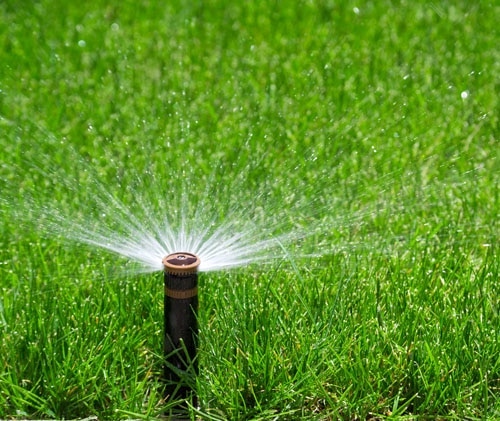
As temperatures rise and the sun beats down, it’s time to give your garden the care it needs to thrive during the summer months. Preparing your garden for the heat isn’t just about survival; it’s about ensuring your plants can flourish despite the challenging conditions. Here are some tips to get your garden ready:
1. Create a Watering Strategy
- Establish a consistent watering schedule. Early mornings or late evenings are ideal times to water to minimize evaporation.
- Deep watering is crucial. Ensure the water reaches the roots of your plants to encourage healthy growth.
- Consider investing in a drip irrigation system or soaker hoses to deliver water directly to the roots while minimizing water waste.
2. Apply Mulch
- Apply a layer of mulch around your plants to help retain moisture in the soil and regulate soil temperature.
- Organic mulches like straw, bark, or compost not only conserve moisture but also add nutrients to the soil as they break down.
3. Create Shade and Shelter
- Provide shade for delicate plants by using shade cloth, umbrellas, or planting them strategically near taller plants that can offer protection from the sun.
- Install temporary shelters like row covers or cloches for sensitive plants to shield them from excessive heat.
4. Plan for Soil Care
- Ensure your soil drains well to prevent waterlogging, which can lead to root rot during hot weather.
- Amend your soil with organic matter like compost to improve its structure and water retention capabilities.
5. Select Heat-Tolerant Plants
- Choose plants that are well-suited to USDA Zone 7 and can withstand high temperatures.
6. Prune and Deadhead
- Regularly prune dead or damaged branches to encourage healthy growth and improve air circulation around your plants.
- Deadhead flowers to promote continuous blooming and prevent the plant from expending energy on seed production.
7. Create a Pest Control Plan
- Use natural pest control methods like companion planting, introducing beneficial insects, or spraying insecticidal soap to keep pest populations in check.
8. Stay Vigilant!
- Monitor your garden regularly for signs of stress such as wilting, yellowing leaves, or pest infestations.
- Adjust your watering and maintenance practices as needed to address any issues promptly.
By following these tips and implementing a proactive approach to garden care, you can ensure your plants not only survive but thrive during the hot summer months.