Boating Coverage 101 for Belleair & Belleair Beach Residents
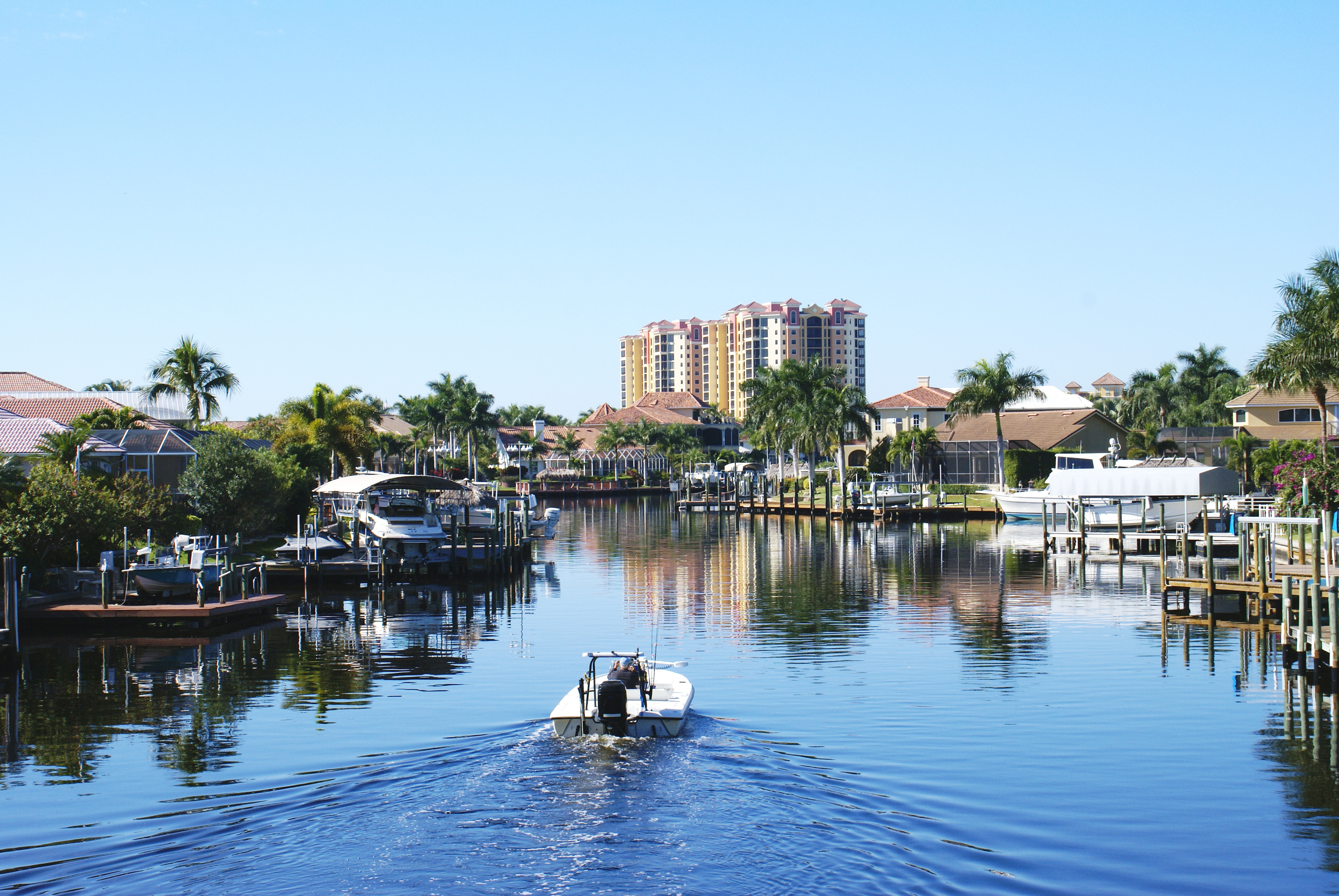
Boating season in Belleair peaks in summer months, when the Gulf and the Intracoastal fill with watercraft of every type. Most boat policies handle the common claims well, such as a collision, a fire at the slip, or a theft from the dock. However, they often fall short on the less obvious risks, which tend to cause the largest financial losses.
Florida registers more recreational vessels than any state in the country, and the U.S. Coast Guard ranks it first in reported boating accidents year after year. As the busiest weeks of the boating season arrive, four coverage gaps deserve attention from every Belleair boat owner.
Agreed Value and Actual Cash Value Lead to Very Different Payouts
Boats and yachts depreciate quickly. A policy that pays out at actual cash value reimburses the owner what the boat is worth on the day of the loss, not the original purchase price. That figure can sit well below the cost of a replacement today. Agreed value coverage works differently: the owner and the insurer agree on a payout amount when the policy begins, and the insurer pays that amount if the boat is a total loss, regardless of how the market has evolved since. On a late-model center console or a yacht, the gap between the two approaches can quickly reach six figures.
Watercraft Liability Extends to Guests, Docks, and the Water Itself
Watercraft liability covers a wider range of incidents than many owners may expect. A guest who slips and falls on the deck can pursue a claim for injuries. An owner who damages a dock or another vessel while coming into the slip can be held liable for the repairs. A fuel leak after an accident can trigger a cleanup obligation under state and federal law. A comprehensive program may include pollution and fuel spill liability, property damage liability for docks and other vessels, and umbrella or excess liability that sits above the boat policy to raise limits when an owner regularly carries guests on board, as standard limits on a vessel that hosts company are almost always too low.
Uninsured Boaters, Breakdowns, and Theft Drive Major Losses
The risks that quietly drain a season are rarely the dramatic ones. An uninsured boater can clip a hull and disappear before contact information changes hands. An engine can quit two miles out and require an expensive tow back to the marina. Fishing gear, electronics, and water sports equipment can disappear from an unattended dock. SandStone’s team addresses each of these scenarios through uninsured and underinsured boater coverage, towing and assistance coverage, and personal property and unattached equipment coverage. Owners who skip these endorsements often pay for the resulting losses out of pocket.
Hurricane Haul-Out Coverage Must Be in Place Before the Storm
Pinellas County boats sit in hurricane country. When a named storm enters the cone, many owners haul out, move to a safer harbor, or hire a captain to relocate the vessel. Hurricane haul-out coverage on a watercraft policy reimburses the emergency haul-out cost, the move to safer water, and the fees for marina professionals, captains, and dock masters who do the work. Most insurers stop binding new policies and adding endorsements once a named storm enters the warning area, which means the coverage must be on the policy well before the cone forms.
A Conversation Worth Having Before the Boating Season Peaks
A proactive, short conversation can prevent any of these four gaps from becoming an issue after a potential claim. Contact SandStone Insurance Partners today for a complimentary consultation.