Two Coverage Lines Most Tampa Bay Businesses Overlook
Running a business in Tampa Bay means depending on equipment, technology, and the tools of your trade every single day. When that equipment fails or a shipment gets damaged in transit, the financial hit arrives quickly. Two coverage lines address these exposures directly, and most business owners either carry the wrong limits or skip them entirely.
Your Property Policy Probably Does Not Cover a Mechanical Breakdown
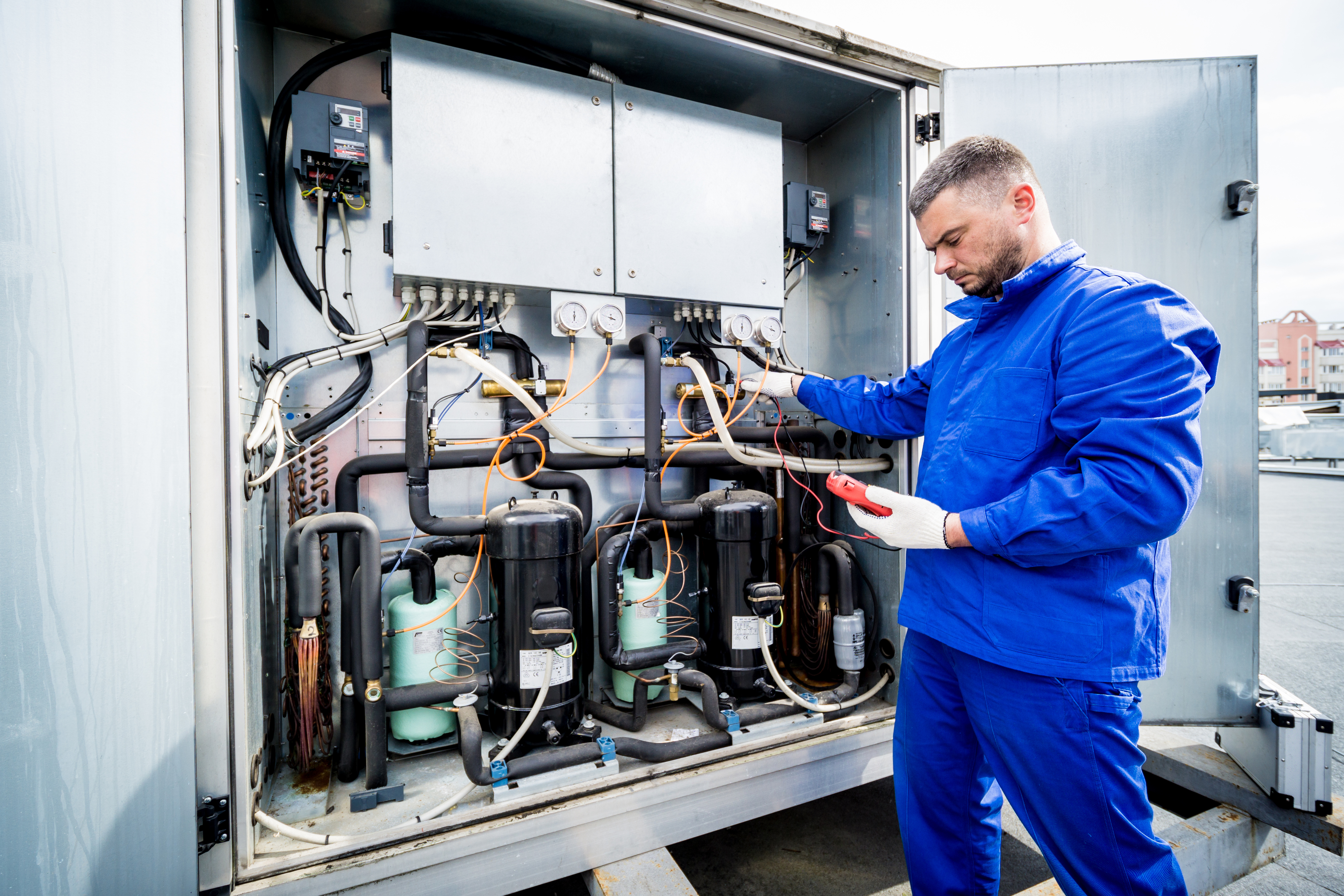
A commercial property policy protects your building and its contents against fire, theft, wind, and similar perils. Mechanical and electrical failure are a different story. Standard property policies typically exclude breakdowns caused by internal malfunction, which means a compressor failure, a fried electrical panel, a refrigeration system that stops cooling overnight, or a pressure vessel failure usually falls outside the coverage you already carry. Equipment breakdown coverage fills that gap by responding to exactly those scenarios.
For Tampa Bay businesses, the financial consequences can be significant. A restaurant loses refrigerated inventory and days of revenue. A medical practice cannot operate without functioning imaging equipment. A cold storage facility faces spoilage claims and client liability simultaneously. Beyond repair and replacement costs, equipment breakdown coverage can also reimburse lost income during downtime, which is often the larger number. Restaurants, food distributors, healthcare practices, and any business operating production or climate-dependent equipment tend to carry the most exposure, but the need extends across industries.
It is equally worth knowing what Equipment Breakdown coverage does not address: gradual wear and tear, rust, mold, deterioration from lack of maintenance, and cosmetic damage that does not affect the functionality of the equipment all fall outside the policy. It responds to sudden, accidental failure, not slow decline.
Inland Marine Covers the Property That Moves
The name is a historical artifact from the days of maritime trade. Today, inland marine insurance covers business property that standard commercial policies often leave behind: tools and equipment that travel between job sites, materials in transit, contractors' equipment, specialized hardware taken offsite, and items that require scheduled coverage because of their value or portability.
A general contractor in Hillsborough County hauls tools and equipment across multiple sites every week. A mobile medical practice transports imaging equipment between facilities. An event production company moves staging, audio, and display equipment from venue to venue throughout the region. In each case, the standard commercial property policy covers assets at a fixed address, not the property in motion. Inland marine steps in to cover that property while it travels, sits at a temporary location, or passes through the hands of a third party.
One clarification that comes up frequently: inland marine does not cover goods transported by air or sea. Those shipments fall under ocean marine or freight insurance, which is a separate line.
Where These Two Coverages Often Belong in the Same Conversation
These lines tend to surface together because they share a common blind spot: business owners assume their property policy handles both until a claim tests that assumption. Equipment breakdown fills the gap for businesses with high-value or specialized equipment on-site; inland marine fills it for businesses whose assets move, get deployed off-premises, or exist across multiple locations. A significant number of Florida operations carry real exposure on both fronts without knowing it, and a program that accounts for both reflects how a business actually functions across its full footprint.
A Short Conversation Can Reveal a Lot
A brief review of your current commercial program can confirm whether these gaps exist before a loss makes the question urgent. Contact SandStone Insurance Partners today for a complimentary consultation.