Mission Hospital Earns Level I Trauma Center Verification
This highest recognition for ER and trauma care was issued by the American College of Surgeons.
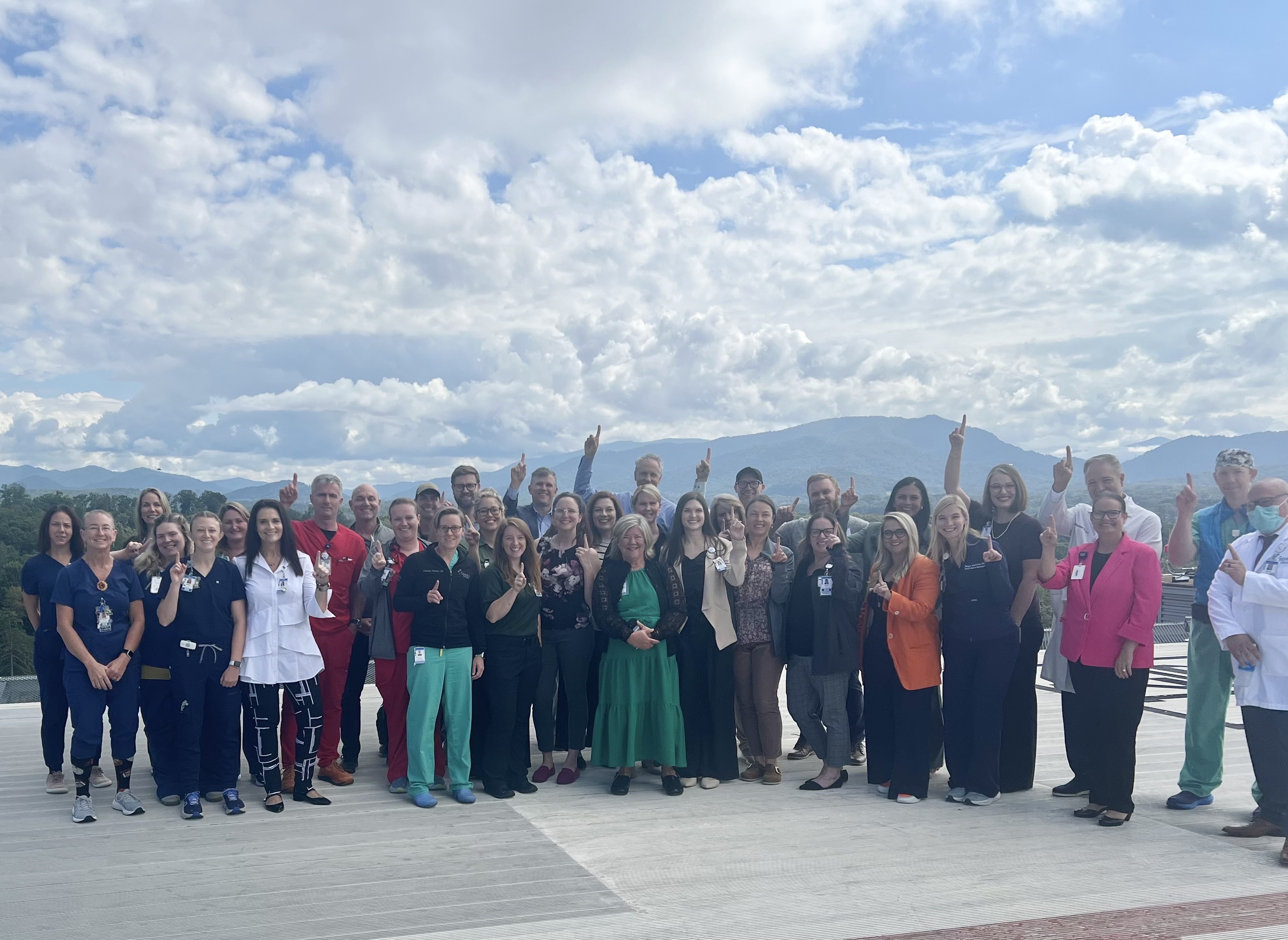
Mission Hospital is proud to announce it has been verified by the American College of Surgeons (ACS) as a Level I trauma center, the highest recognition for emergency and trauma care in the United States. With this achievement, Mission becomes the only ACS-verified Level I trauma center to serve Western North Carolina, solidifying its role as the region’s most advanced option for emergency and critical care.
Verified trauma centers must meet the essential criteria that ensure trauma care capability and the highest level of institutional performance, as outlined by the ACS Committee on Trauma in its current manual, Resources for Optimal Care of the Injured Patient. Mission completed the rigorous ACS survey in September and earned verification for a three-year period.
The ACS Trauma Verification, Review and Consultation (VRC) Program helps hospitals to evaluate and improve their trauma care. It provides an objective, external review of a trauma center’s resources and performance. A team of trauma experts completes a site review of the hospital. The team assesses relevant components of the program including their regional role(s), the availability of physical and human resources, policies, patient care protocols and the hospital’s quality improvement processes. Of note, patients cared for in ACS-verified trauma centers have a lower risk of death and improved quality of life compared with patients in non-verified centers.
This verification recognizes Mission Hospital’s capability to provide care for every aspect of injury, supported by around-the-clock surgical specialists, advanced technologies and coordinated partnerships with emergency services across the region.
Proud History of High-Level Trauma Care
Now celebrating its 30th year, Mission Hospital established its trauma program in 1995 as a Level II center. With the Level I ACS verification, it now becomes one of only seven throughout the State of North Carolina. When you or a loved one need specialized emergency care, Mission’s team of trauma care professionals is ready to intervene using the intensive treatments needed to properly recover.
Mission Hospital’s trauma program was established to ensure that serious injuries receive stabilization, transport and high-quality care during the most critical scenarios. With the only ACS-verified Level I trauma center in the region, we have a coordinated network of providers. This includes first-responders, emergency physicians and trauma surgeons. By working together, we provide exceptional treatments for traumatic conditions every hour of every day.
The services of Mission’s trauma unit include care for multiple or complicated injuries, emergency surgery, forensic nurse examiners (FNEs), Mountain Area Medical Airlift (MAMA), and burn and wound care. Their comprehensive network also includes dedicated trauma bays and operating rooms, advanced imaging, a Surgical-Trauma Intensive Care Unit (ICU), trauma stepdown unit, Trauma Nurse Leads and Community Injury Prevention.
Trauma Survivors Network
While advancements in trauma care have significantly reduced mortality and morbidity, cognitive responses for trauma patients also play a crucial role in positive long-term outcomes. Research indicates that improving post-trauma outcomes also means addressing emotional challenges and providing peer support.
Since 2019, Mission Hospital has also been a Trauma Survivors Network (TSN) center, connecting survivors, enhancing skills and building a supportive community. Mission’s TSN membership focuses on educating and empowering trauma survivors and their families, offering resources and advocacy for improved recovery.
The first Tuesday of every month, Mission Hospital hosts its TSN group meeting with different topics to discuss or learn about surrounding trauma. Specialty physicians, trauma clinicians and former patients or family members often share their stories alongside members from community resource agencies including the WNC Brain Injury Support Group, CarePartners Health Services, Substance Abuse and Mental Health Services Administration (SAMHSA) and the Brain Injury Association of America.
Preventing a Traumatic Injury
Traumatic injuries are unexpected. While there are a variety of normal life situations in which trouble can potentially arise, there are an equal number of simple measures you can take to avoid injury in your daily life including always wearing your seat belt, install night lights or grab bars to help prevent falls in the home, teach all family members about water safety, wear the appropriate safety equipment for all sports and recreational activities, and keep medicine and cleaning supplies locked up and away from small children.
If you find yourself or a loved one in need of trauma care, call 911. EMS professionals make split-second, lifesaving decisions when transferring patients to our emergency room. Mission Hospital works closely with EMS partners all over WNC who provide care at the scene of an accident and safely transport patients to Mission. During transport, our highly trained trauma staff stand ready to receive these patients.
For more information about Mission Health’s emergency and trauma services, go to MissionHealth.org/Trauma.