September: Nature’s Season of Abundance
While many people think of September as the beginning of the end of gardening season, I see it as one of nature’s greatest celebrations. The intense heat begins to ease, mornings grow cooler, and our gardens and forests are overflowing with life.
Late-season bloomers like asters, goldenrod, Joe-Pye weed, turtlehead, and white snakeroot are putting on a spectacular show. Their blooms aren’t just beautiful—they’re an essential source of nectar for bees, butterflies, and migrating monarchs preparing for their incredible journey to Mexico. Native grasses are setting seed, American beautyberries are glowing purple, viburnums are filling with fruit, and wildlife is gathering the abundance that will sustain them through the seasons ahead.
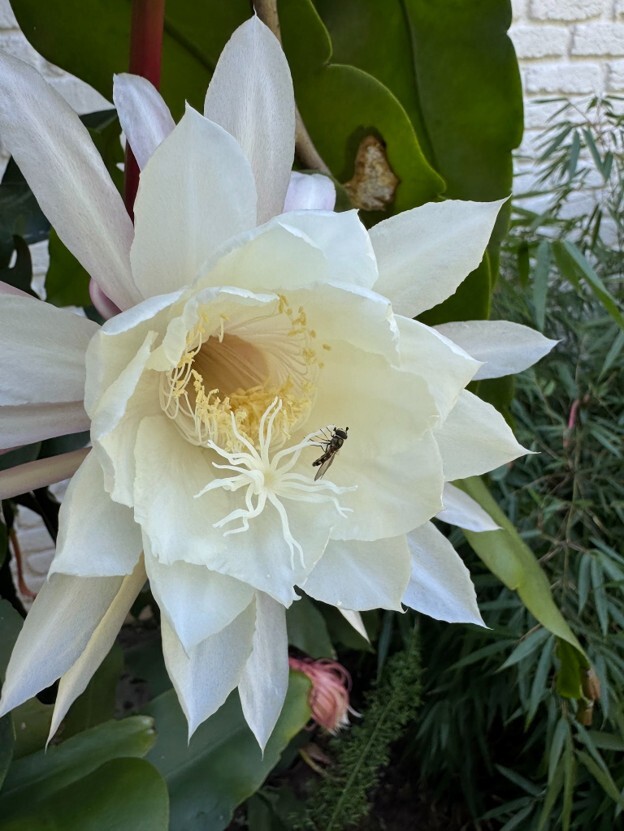
September is also overflowing with our vegetable gardens, producing their final bounty of tomatoes and the pumpkins are growing larger by the day, and evening brings its own magic as moonflowers unfurl and other night bloomers awaken.
One of my favorite ways to experience this season is by taking a walk on one of the many beautiful trails around Asheville. Before the autumn leaves steal the spotlight, notice the native wildflowers, grasses, and berries thriving along the forest’s edge. These are the plants that have evolved here for thousands of years, supporting the birds, pollinators, and other wildlife that call Western North Carolina home.
The good news is we can bring that same beauty into our own landscapes. Fall is one of the best times to plant native trees, shrubs, grasses, and perennials. The warm soil encourages strong root growth while cooler temperatures reduce stress, giving plants a wonderful head start for spring.
Let’s keep the party going for our pollinators by planting the flowers that fuel them. Beautiful and beneficial—that’s rewilding our landscapes to be Wild By Design.
Molly
@wildbydesignwithmolly
828.777.6262