Summer Pet Safety in Illahe
Tips for Protecting Your Furry Friends from Heat, Parasites, Wildlife, Water Hazards, and Fourth of July Stress
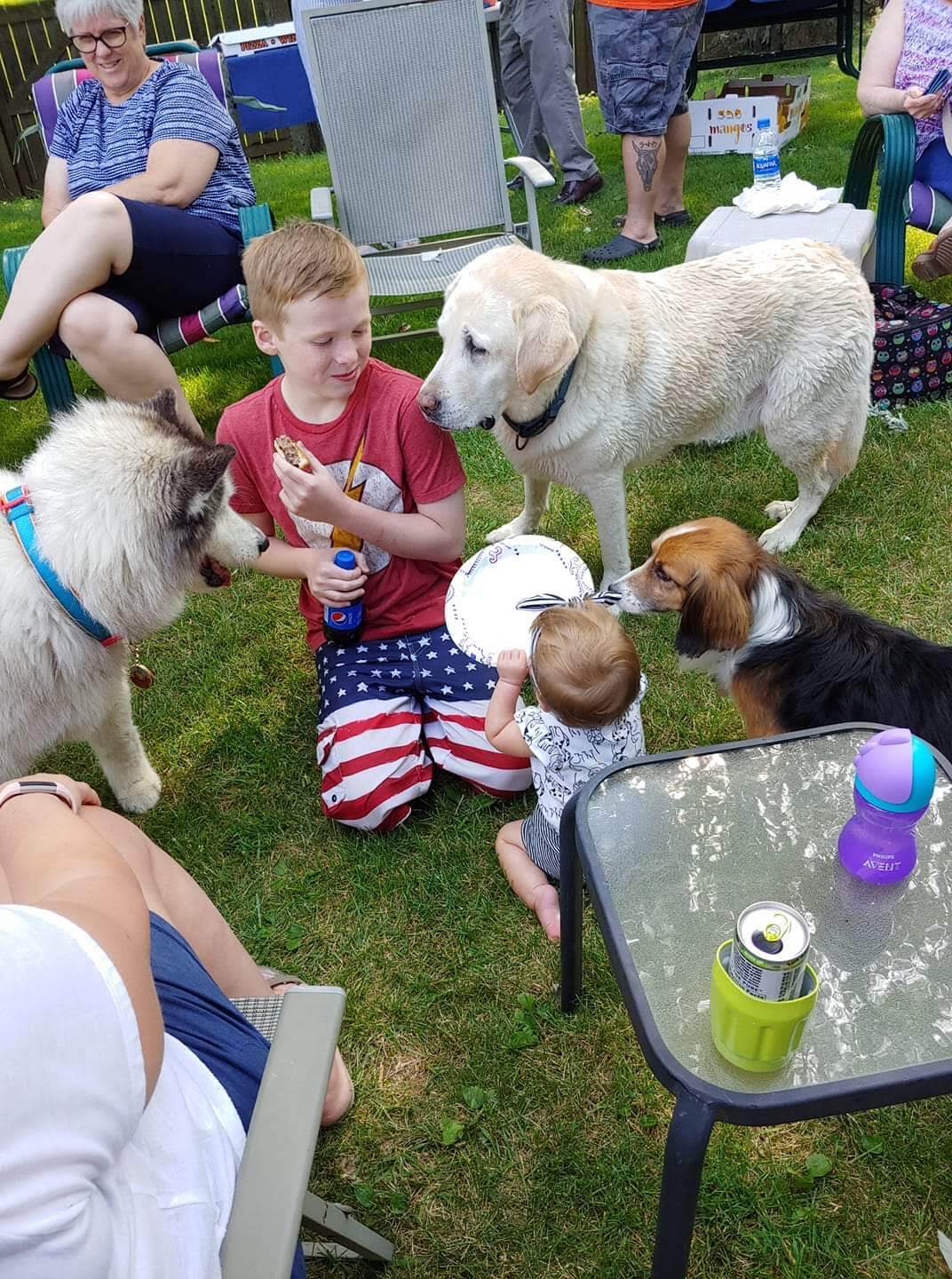
As summer settles in Illahe Hills, it’s essential for pet owners to be mindful of the seasonal risks that can affect their furry companions. From extreme temperatures and parasites to wildlife encounters and water safety, summer brings a unique set of challenges.
Heat and Parasite Protection
High temperatures can quickly cause heat exhaustion or heatstroke in pets. Walk dogs in the early morning or evening, avoid hot pavement, and provide access to cool water and shade. Never leave your pet in a parked car during the summer—even for a few minutes. Temperatures inside can rise dangerously fast, leading to heatstroke or even death, even with the windows cracked. Signs of heat distress include excessive panting, drooling, and weakness.
Fleas and ticks are very active during warmer months. Regularly inspect yourself and your pets—especially after outdoor adventures and use vet-recommended preventatives. Monthly flea and tick treatments are a must this time of year. Avoid tall grasses along with bushy and wooded areas, as ticks are often found there. Stay on trails when hiking to minimize your chances of encountering them. At home, keep yards trimmed and eliminate brush piles to reduce tick habitats. Oregon residents have noticed a high level of tick activity on both themselves and their pets this year.
Wildlife & Invasive Plant Awareness
Illahe’s beautiful surroundings also mean potential encounters with wildlife.
- Foxtail grass is active in summer. Keep pets leashed on trails and avoid tall grass with barbed seeds.
- Mountain lions, coyotes and bobcats may wander into neighborhoods. Never leave pets outside unattended, especially at night.
- Deer and turkeys may become aggressive if approached or startled, especially during mating or fawning seasons. Prevent pets from chasing or harassing wildlife at all times.
Water Safety for Pets
During summer, lakes and ponds may seem like the perfect place for you and your dog to cool off—but warm, stagnant water can pose serious risks.
- Blue-green algae (cyanobacteria) can thrive in warm water and is highly toxic to pets if ingested. Exposure can lead to vomiting, seizures, or even death.
- Leptospirosis, a bacterial infection found in contaminated water, can also infect dogs and humans.
If your dog enjoys swimming in natural waters, opt for streams or calm rivers, as their steady flow helps prevent stagnation and lowers the risk of harmful bacteria or toxins. Always supervise your pet around water, avoid letting them drink from or swim in murky or algae-covered ponds, and rinse them off thoroughly after a swim.
July 4th Safety for Pets
Independence Day can be overwhelming for pets due to loud fireworks, unfamiliar guests, and changes in routine. Many animals experience severe anxiety during fireworks displays of any size leading to panic and even escape attempts—making July 5th one of the busiest days for lost pet reports. To keep your pet safe, keep them indoors in a quiet, secure room, play calming music, and ensure they’re wearing ID tags with updated contact information. Talk to your veterinarian about calming options, such as anti-anxiety medications or pet-safe CBD products, which can help ease stress. Avoid giving pets human food during celebrations, and never leave them outside unattended during fireworks. With a few proactive steps, your pet can stay calm, safe, and stress-free this Fourth of July.
A Safer Summer
Keep ID tags updated, consult your vet about vaccines and preventatives, and supervise your pets outdoors. With a little extra care, your pets can enjoy a healthy and adventurous summer in Illahe and beyond.