Cast in Iron, Baked in Heritage
A Czech Easter lamb-cake tradition rises each spring—blending faith, family history, and old-world craftsmanship.
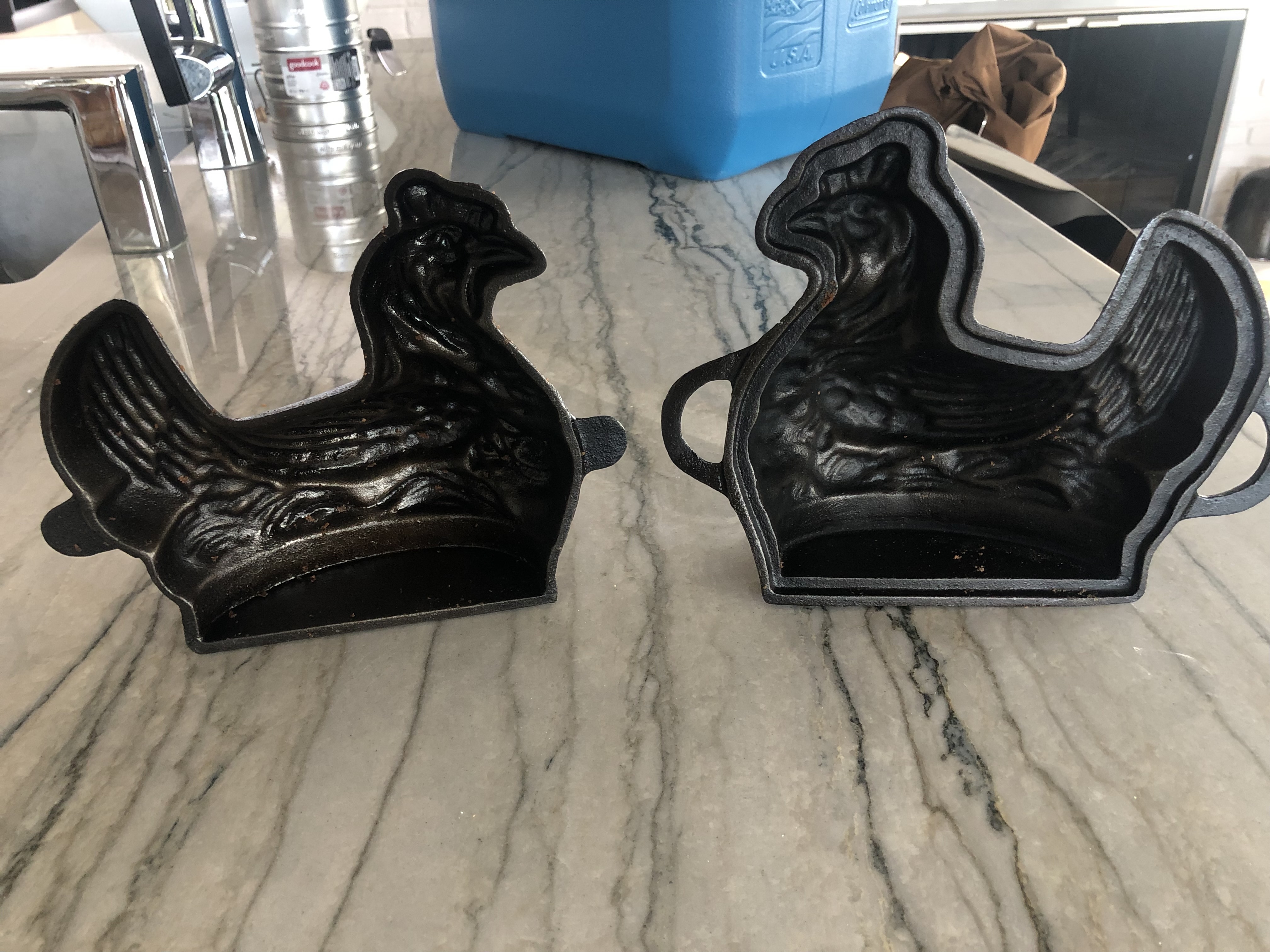
Each Easter season, Jeanne’s kitchen becomes more than a place to bake—it becomes a living bridge to her family’s Czech roots and a tradition that has traveled across continents and generations.
Jeanne’s maternal grandparents emigrated from what was then Czechoslovakia to Chicago as adolescents around 1910. Like many immigrant families of the era, they arrived with little but built a life through grit, trade skills, and community. Her grandfather eventually opened a neighborhood bakery—an anchor not just for bread and pastries, but for connection.
Family lore holds that Jeanne’s grandmother first walked into the shop as a customer. One visit turned into conversation, which turned into work at the bakery—and the rest, as Jeanne says, is history. What began as a chance meeting inside the warm, flour-dusted walls of a Chicago bake shop became the foundation of a family line where baking and heritage would remain deeply intertwined.
An Old-World Mold, A Living Tradition
At the center of Jeanne’s Easter tradition are her cast-iron lamb molds—heavy, intricate pieces passed down through generations. These molds are not decorative novelties; they are functional heirlooms rooted in Czech and broader Central European Easter customs.
In many Czech households, baking a lamb-shaped cake—often called a Velikonoční beránek—symbolizes both the arrival of spring and the religious significance of Easter. The lamb represents rebirth, renewal, and, within Christian tradition, Jesus as the “Lamb of God.”
Unlike modern silicone or aluminum pans, cast iron molds require precision, patience, and practice. They are typically two-sided, hinged forms that fully encase the batter, sculpting detailed features—wool texture, folded legs, gentle facial expressions—into the finished cake.
Working with these molds is a highly specialized process.
Because the batter is enclosed, bakers must carefully plan for how the cake will expand as it rises. Too little batter, and the lamb emerges incomplete—sunken or missing detail. Too much, and the cake can overflow, distorting the shape or preventing the mold from sealing properly.
Jeanne uses a pound-cake base specifically adapted for mold baking. This isn’t an ordinary pound cake—it’s formulated to rise more than average while still holding structural integrity. The density ensures the cake can support fine details without crumbling when unmolded.
Preparation is equally important:
- The cast iron must be thoroughly greased and floured to prevent sticking.
- The mold is preheated or brought to the correct temperature gradually to ensure even baking.
- Once filled and sealed, it’s often baked upright so the lamb’s form sets symmetrically.
Unmolding is the moment of truth—requiring a steady hand and a bit of faith. When opened successfully, the cake reveals a fully sculpted lamb, golden and dimensional.
Once cooled, the lamb cake becomes both dessert and centerpiece.
Traditionally, it may be dusted with powdered sugar to resemble wool, glazed lightly, or decorated with ribbon, coconut “fleece,” or small flags representing resurrection. In some families, the lamb is placed in an Easter basket or surrounded by greenery — of the wheat grass variety — to evoke spring pastures.
Beyond aesthetics, the symbolism runs deep:
- Spring rebirth: Celebrating the end of winter and the return of life.
- Faith: Representing Jesus and the sacrificial lamb in Christian theology.
- Continuity: Honoring ancestors who carried the tradition across oceans.
For Jeanne, the lamb cake is more than a seasonal bake—it’s a tactile connection to her grandparents’ journey from Czechoslovakia to Chicago, to the bakery where their story began.
Each year, as batter is poured into iron molds that have outlived generations, the act becomes both remembrance and renewal—much like Easter itself.
In the rise of the cake, the preservation of heritage, and the symbolism of the lamb, past and present meet at the table—cast in iron, and carried forward in love.