Tiptoe into Spring: Nurturing Your Garden After Winter’s Chill
Spring really does feel like it’s tiptoeing in early, doesn’t it? This is the moment when our yards start waking up again, and a little attention now can make a huge difference once the real warmth arrives.
I’ve loved gardening for as long as I can remember. As a kid, I’d trail behind my father and stepmother along the brick paths in their Bellaire, TX yard, watching them shape every bed with such care. Their place had no grass at all—just lush, intentional landscaping from one property line to the other. That’s where the spark started for me. Over the years, I’ve carried that same love into my own gardens, first in Houston—where I planted with butterflies, bees, and hummingbirds in mind—and now here in Indian Lakes.
After a winter like the one we’ve had, our yards are feeling it. Plants under freeze stress don’t always show damage right away, so the next few weeks are important. A few gentle, early‑season habits can help everything bounce back:
- Give plants a drink, but not a soak. Rehydration helps, but soggy roots slow recovery and can lead to rot.
- Snip what’s clearly broken. Remove dead or dying foliage, but hold off on heavy pruning. New growth triggered too early is vulnerable to another cold snap.
- Try the scratch test. A quick scrape on the bark tells you a lot—green means alive and recovering; brown or mushy usually means the plant took a harder hit.
- Add a cozy layer of mulch. A fresh blanket of organic mulch protects roots, keeps moisture steady, and enriches the soil as it breaks down.
- Keep an eye out for pests. Stressed plants are easier targets. If you spot trouble, lean toward eco‑friendly treatments.
- Wait on fertilizer. Brown grass after a freeze is normal. Fertilizing too soon can overwhelm grass and plants that aren’t ready to take up nutrients. Save it for true spring, when growth kicks in again.
- Give everything time. Some plants are slow to show signs of life after a freeze. Warmer days often bring surprising comebacks.
I’ve always leaned toward perennials in my landscaping—plants that settle in, come back year after year, and reward a little patience with a lot of resilience. Annuals are fun for quick color, but they say their goodbyes as soon as the cold rolls in, and I prefer a garden that grows with me over time.
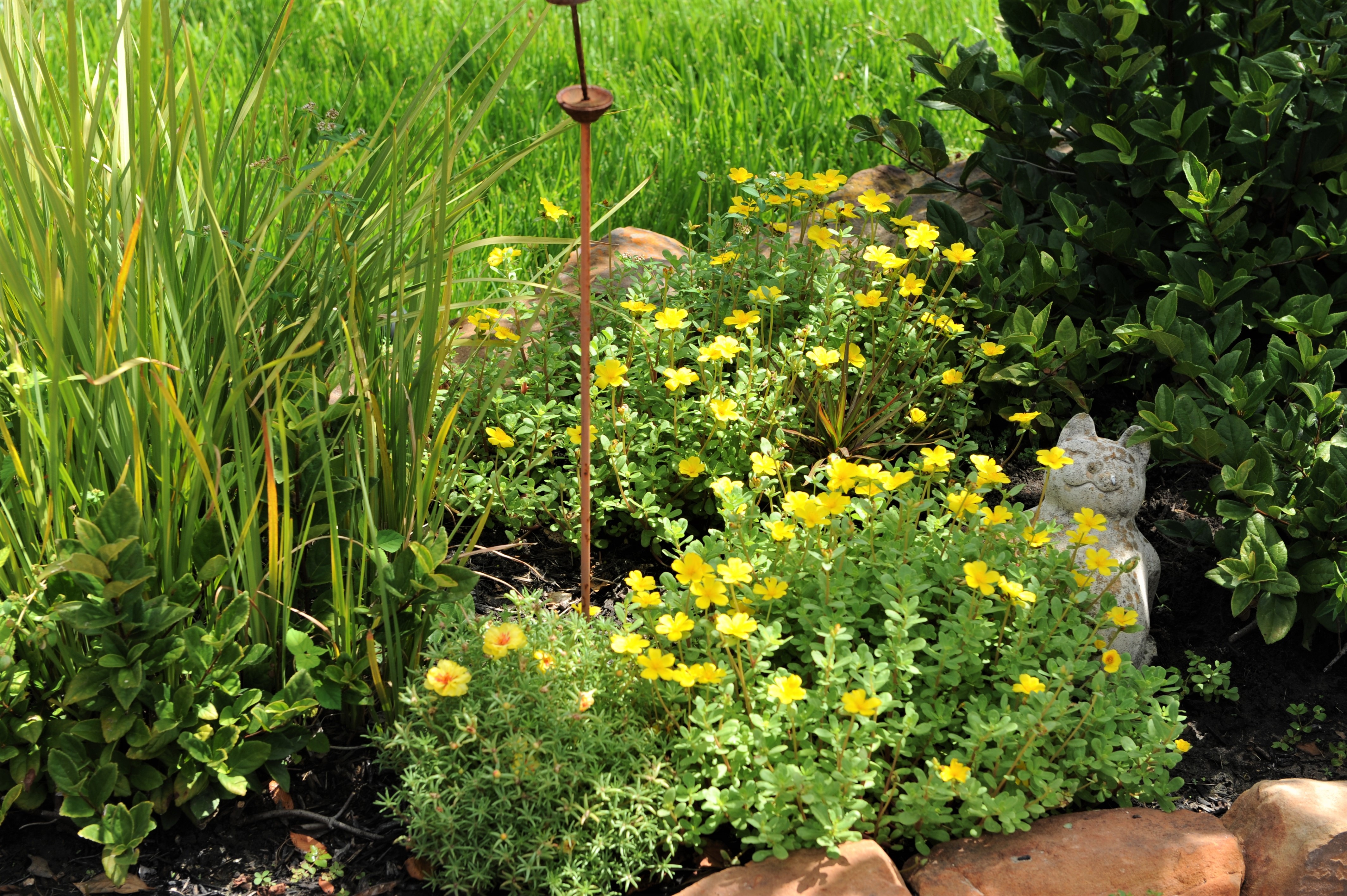
Included with this article are a few photographs around the yard. As I start freshening up the beds this season, I’ll share an update in a future Stroll issue on how everything bounces back and what new ideas emerge along the way. Spring may not have fully arrived, but it’s close enough to feel the promise of it—and our gardens are more than ready for that fresh start.