An Army of Hope
When her son faced cancer at 17, Lindsey turned the love surrounding him into a mission to help other families carry the burden.
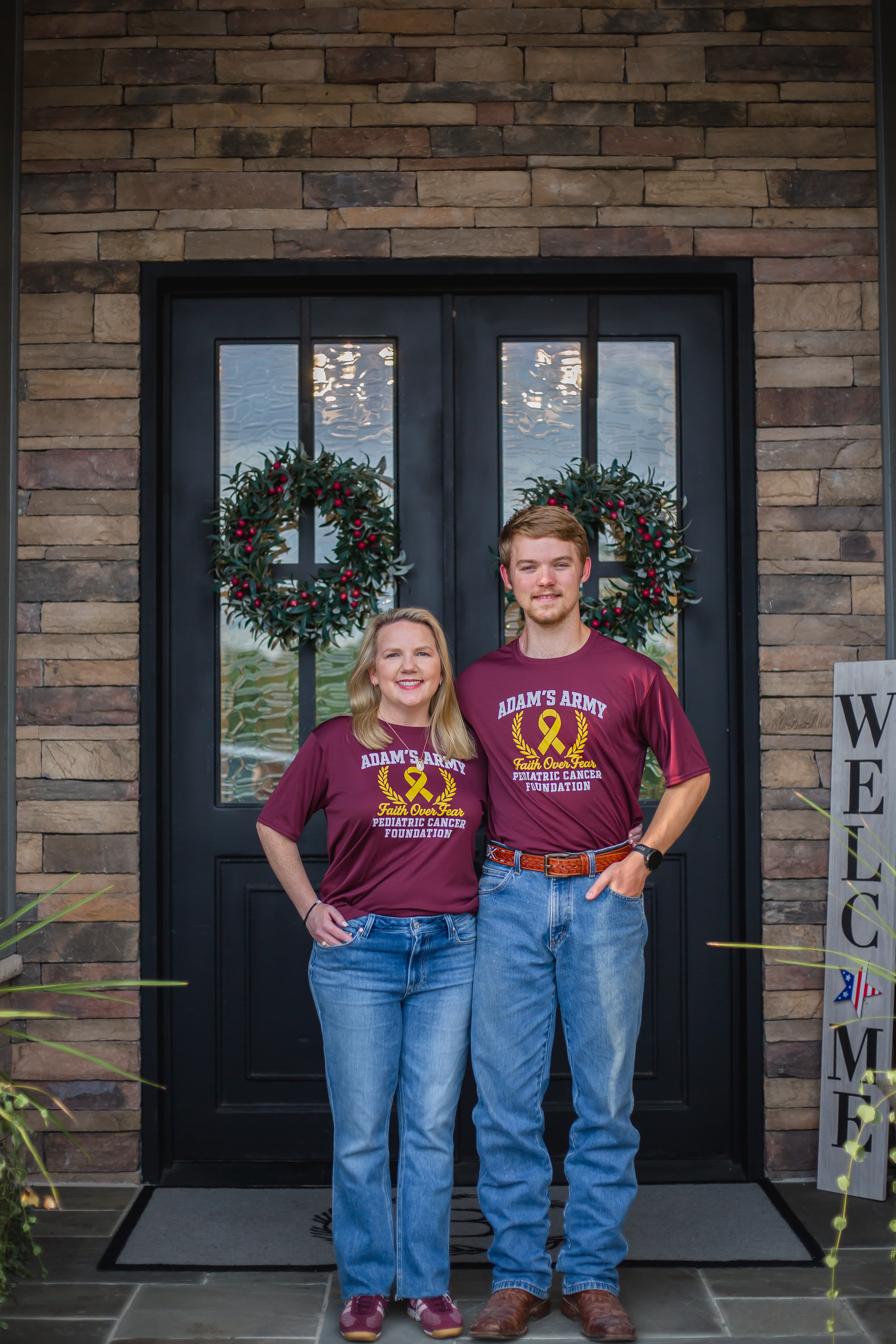
Lindsay Bolline and Adam Bolline
Seventeen.
Seventeen years of birthdays, baseball games, family dinners and plans for the future. Seventeen years of watching a child grow into the person he was becoming. Then, with a single diagnosis, that future was put on hold.
Adam was seventeen.
For his mother, Lindsey, the diagnosis brought a fear no parent can fully prepare for. The child she had spent his entire life protecting was suddenly facing a battle she could not fight for him. She could sit beside him, pray for him and love him through every appointment, but she could not take the cancer away.
Lindsey had already learned how quickly a child’s future could become uncertain. Adam and his twin brother, Andrew, were born at only 25 weeks after she went into labor three weeks earlier. Both boys spent months in the NICU, where they faced infections, life support and bleeding in their brains. Years later, when Adam was diagnosed with cancer, Lindsey once again found herself watching her child fight for his life.
“In my mind, he’s my baby,” Lindsey said.
This time, however, Adam was a teenager. He did not want to be defined by his diagnosis or treated as though cancer had become his entire identity. Lindsey could not protect him in the way she wanted, but she could stand beside him.
So did the rest of their community.
Adam’s friends, coaches, teachers and church family surrounded him with prayer, encouragement and support. Lindsey began referring to that group as “Adam’s Army.”
“We referred to everyone that was praying for him and loving on our family as Adam’s Army,” she said.
As Lindsey began to meet other families facing childhood cancer, that name began to take on a deeper meaning. Her family had relatives nearby, flexible jobs and a strong support system. Although to many other families facing the same battles, it was a foreign concept.
“It really stuck with me how blessed we were. It was so stressful just focusing on Adam and his medical battle that I can’t even imagine having to worry about keeping the lights on or keeping gas in the car.” Lidnsey began to describe.
This experience started an idea. Lindsey took that idea and created a reality.
Adam’s Army became more than the name of the people standing behind one teenage boy. It became a way to stand behind families who were carrying the same fear without the same support
The name Adam’s Army had once described the people standing beside her son. Over time, Lindsey began to see what that name could become for other families too.
Adam’s Army grew into a way to offer that same sense of support to families across the Brazos Valley. Through financial grants, care packages, clothing, school supplies and holiday gifts, the organization helps with the everyday burdens that do not disappear when a child is diagnosed with cancer.The goal is not to take away every problem, but to take away enough of the burden that parents can focus on their child.
That purpose is shown through the organization’s message: “Hope for tomorrow, help for today.”
For Lindsey, the meaning behind those words is personal. She understood the impact support had on Adam, and she knew not every child had people surrounding them in the same way.
“He knew how blessed he was by that,” Lindsey said. “I think it was on his heart that not every kid had that.”
One family came to Adam’s Army while a single mother’s child was undergoing leukemia treatment. The mother had fallen behind on her mortgage and was at risk of losing her home just before Christmas. Adam’s Army worked with her lender, helped bring the payments current and gave the family time to breathe.
The help did not end with that moment. Later, the same family began delivering gifts to other children in the hospital, passing forward the support they had once received.
Adam’s Army does not solely focus on the diagnosed child but on the siblings as well. Lindsey described them as the “silent victims” because their lives are changed too, even though they are often overlooked. The organization makes sure they are included through birthday gifts, Christmas presents and back-to-school supplies.
Lindsey has also created a space for parents to feel understood. Through an online support group and mothers’ nights out, families are able to connect with others who truly understand what they are facing.
“I want them to know that I see them,” Lindsey said. “What they’re doing is so noble and so important.”
Today, Lindsey continues to carry much of the work behind Adam’s Army herself. She creates the posts, organizes the support and keeps the mission moving forward. She knows she cannot change a diagnosis, but she can help make the weight of it easier to carry.
“If I can make it any easier or help them carry any of that burden,” Lindsey said, “it’s an honor to me to be able to do that.”
Seventeen years of birthdays, baseball games, family dinners and plans for the future. Seventeen years of watching a child grow into the person he was becoming. Then, with a single diagnosis, that future was put on hold.
Adam was seventeen.
For his mother, Lindsey, the diagnosis brought a fear no parent can fully prepare for. The child she had spent his entire life protecting was suddenly facing a battle she could not fight for him. She could sit beside him, pray for him and love him through every appointment, but she could not take the cancer away.
Lindsey had already learned how quickly a child’s future could become uncertain. Adam and his twin brother, Andrew, were born at only 25 weeks after she went into labor three weeks earlier. Both boys spent months in the NICU, where they faced infections, life support and bleeding in their brains. Years later, when Adam was diagnosed with cancer, Lindsey once again found herself watching her child fight for his life.
“In my mind, he’s my baby,” Lindsey said.
This time, however, Adam was a teenager. He did not want to be defined by his diagnosis or treated as though cancer had become his entire identity. Lindsey could not protect him in the way she wanted, but she could stand beside him.
So did the rest of their community.
Adam’s friends, coaches, teachers and church family surrounded him with prayer, encouragement and support. Lindsey began referring to that group as “Adam’s Army.”
“We referred to everyone that was praying for him and loving on our family as Adam’s Army,” she said.
As Lindsey began to meet other families facing childhood cancer, that name began to take on a deeper meaning. Her family had relatives nearby, flexible jobs and a strong support system. Although to many other families facing the same battles, it was a foreign concept.
“It really stuck with me how blessed we were. It was so stressful just focusing on Adam and his medical battle that I can’t even imagine having to worry about keeping the lights on or keeping gas in the car.” Lidnsey began to describe.
This experience started an idea. Lindsey took that idea and created a reality.
Adam’s Army became more than the name of the people standing behind one teenage boy. It became a way to stand behind families who were carrying the same fear without the same support
The name Adam’s Army had once described the people standing beside her son. Over time, Lindsey began to see what that name could become for other families too.
Adam’s Army grew into a way to offer that same sense of support to families across the Brazos Valley. Through financial grants, care packages, clothing, school supplies and holiday gifts, the organization helps with the everyday burdens that do not disappear when a child is diagnosed with cancer.The goal is not to take away every problem, but to take away enough of the burden that parents can focus on their child.
That purpose is shown through the organization’s message: “Hope for tomorrow, help for today.”
For Lindsey, the meaning behind those words is personal. She understood the impact support had on Adam, and she knew not every child had people surrounding them in the same way.
“He knew how blessed he was by that,” Lindsey said. “I think it was on his heart that not every kid had that.”
One family came to Adam’s Army while a single mother’s child was undergoing leukemia treatment. The mother had fallen behind on her mortgage and was at risk of losing her home just before Christmas. Adam’s Army worked with her lender, helped bring the payments current and gave the family time to breathe.
The help did not end with that moment. Later, the same family began delivering gifts to other children in the hospital, passing forward the support they had once received.
Adam’s Army does not solely focus on the diagnosed child but on the siblings as well. Lindsey described them as the “silent victims” because their lives are changed too, even though they are often overlooked. The organization makes sure they are included through birthday gifts, Christmas presents and back-to-school supplies.
Lindsey has also created a space for parents to feel understood. Through an online support group and mothers’ nights out, families are able to connect with others who truly understand what they are facing.
“I want them to know that I see them,” Lindsey said. “What they’re doing is so noble and so important.”
Today, Lindsey continues to carry much of the work behind Adam’s Army herself. She creates the posts, organizes the support and keeps the mission moving forward. She knows she cannot change a diagnosis, but she can help make the weight of it easier to carry.
“If I can make it any easier or help them carry any of that burden,” Lindsey said, “it’s an honor to me to be able to do that.”