Neighbors Helping Neighbors: A Community Response to Homelessness
Most people pass homelessness every day without truly seeing it. When most people think about homelessness, they think about statistics. They picture numbers in reports, panhandlers on roadsides or intersections, or headlines about housing shortages.
Harry Cole, Executive Director of the Volusia Flagler County Coalition for the Homeless
(VFCCH), sees something different.
He sees veterans who once served their country and now need someone to stand
beside them.
He sees a single parent doing everything she can to protect her children during a
season of crisis.
He sees young adults who have aged out of foster care and are searching for stability,
and seniors struggling to navigate life alone.
Most importantly, he sees neighbors. “These are people with stories, gifts, pain, and
potential, who deserve dignity, stability, and hope.”
The reality is that homelessness can happen to people from every background. A
medical crisis, job loss, domestic violence situation, mental health challenge, rising
housing costs, or unexpected life events can create circumstances that quickly
overwhelm an individual or family.
“Most people experiencing homelessness aren’t looking for a handout,” Harry explains.
“They’re looking for an opportunity. They’re looking for a chance to rebuild.
Many of the people experiencing homelessness in our area were already residents of
Volusia or Flagler County before losing stable housing.
These perspectives challenge many of the misconceptions people hold about
homelessness.
“Homelessness is not just about housing; it is about human beings navigating some of
the hardest moments of their lives, and a community deciding its response: do we want
to be a community that doesn’t want to see homeless people or a community that
doesn’t want to see people homeless?”
A Leader Focused on Solutions
Harry brings decades of senior-level nonprofit leadership experience focused on
preventing and ending homelessness, and has served communities across the country,
including leadership roles in Annapolis, Maryland, and Washington, D.C.
Today, he brings that experience to Volusia and Flagler Counties with a vision centered
on compassion, accountability, and community-wide engagement.
Under the guidance and authority of the VFCCH Board of Directors, Harry and his staff
coordinate housing and homeless response systems, collaborate with partners
throughout the region and statewide, advocate for practical, long-term housing solutions
& supportive services, and improve access to support and resources that help people
move toward stability and independence.
“Our mission at VFCCH is not just to respond to homelessness,” Harry explains. “It’s to
build a housing crisis response system that helps individuals and families regain stability
as quickly as possible.”
VFCCH serves as the lead agency for HUD Continuum of Care (CoC), a regional,
community-based planning program designed to coordinate housing and services for
people experiencing homelessness. As Executive Director, Harry spends every day
working alongside community partners addressing one of the most visible and complex
challenges facing this region. Yet his approach is remarkably simple:
“This work is not about programs and policies. It’s about people.”
The Reality Behind the Numbers
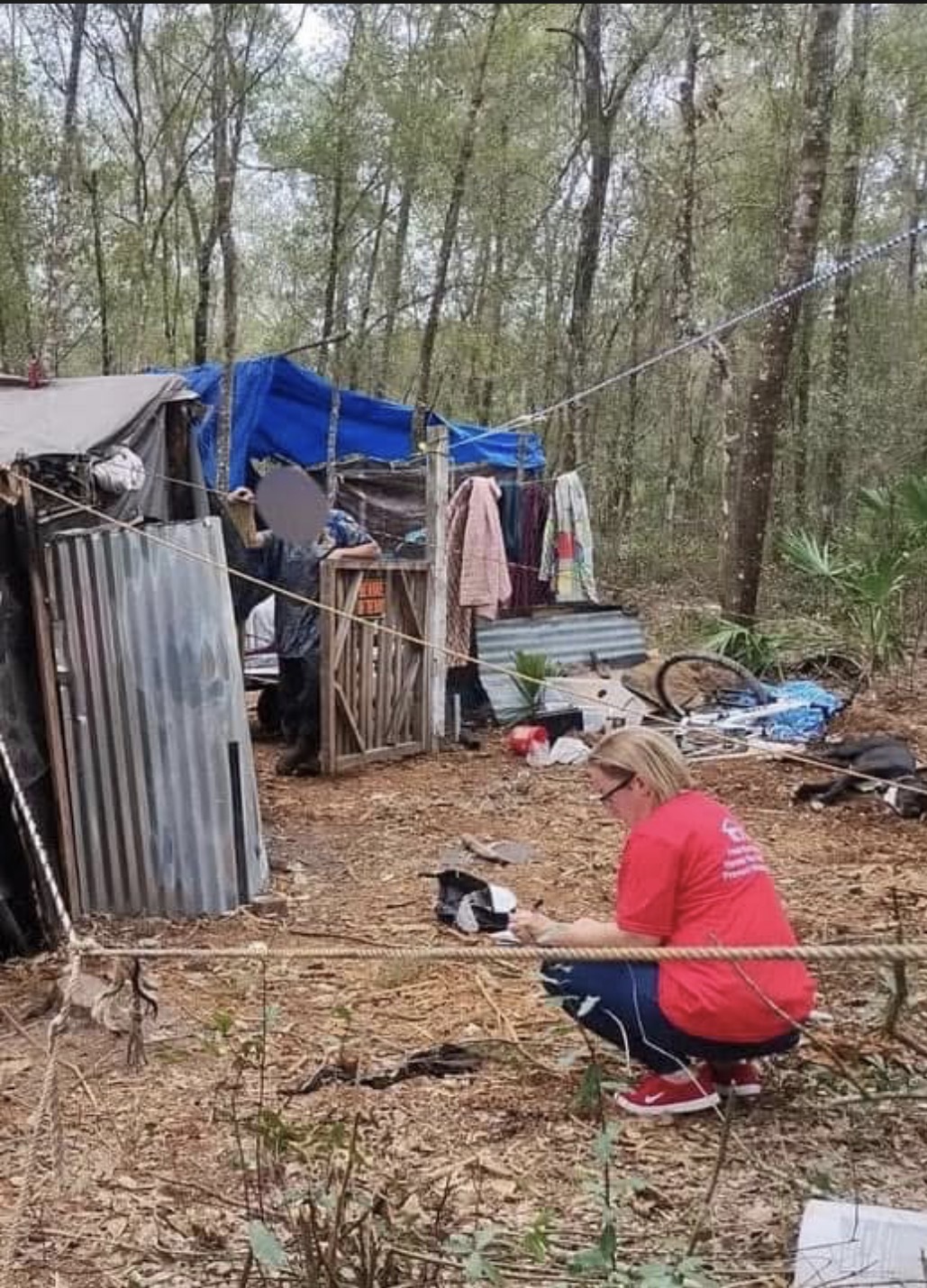
Each year, communities across the country conduct a federally required “Point-in-Time
Count,” a coordinated effort to understand homelessness on a single night in January.
This year’s Point-in-Time Count identified 1,015 individuals experiencing homelessness
locally.
Behind that number are:
- 89 families with children
- 48 veterans
- 17 unaccompanied homeless youth
- Hundreds of adults struggling with chronic homelessness, disabilities, financial hardship, trauma, or domestic violence, in which senior citizens are becoming the fastest-growing homeless population
Behind every number is a life interrupted. And behind every success story is often an
entire network of people willing to help someone start again. Harry is quick to point out
that solving homelessness is not the work of one person or even one organization. “It
takes all of us,” he says.
Behind the scenes, the VFCCH serves as a convener, bringing together local
governments, healthcare systems, veteran services, schools, law enforcement, faith
communities, businesses, volunteers, and advocates to address the root causes of
housing instability.
This comprehensive approach recognizes an important truth: homelessness is a
community issue.
And while homelessness is one of the biggest challenges facing this region, this year’s
Point-In-Time Count revealed both progress and ongoing challenges.
The overall number of people experiencing homelessness locally decreased from 1083
in 2025 to 1015 in 2026. However, family homelessness increased slightly.
More than half of the unsheltered survey participants reported living with disabling
conditions, and many identified shelter, transportation, financial assistance, and food
among their greatest needs.
“The progress reflects the impact of partnerships, outreach, housing support, and
community collaboration,” and the realities reinforce the importance of collective action.
“Real change happens when communities come together, and communities are
strongest when they care for one another, especially during seasons of hardship,” Harry
says.
“Homelessness is not someone else’s issue,” says Harry. “It affects the health, safety,
and well-being of the entire community. When we help people regain stability, we
strengthen families, neighborhoods, and our region as a whole.”
And while the challenges are significant, Harry remains hopeful.
Every volunteer who participates, every landlord willing to partner, every donor who
gives, every organization that collaborates, and every resident who chooses
compassion over indifference becomes part of the solution.
“We all have a role to play,” Harry says. “And together, we can make a meaningful
difference.”