The Benefits of Breathing Techniques and Mindful Movement
By Linsday Grobman, DPT, RYT, HHC
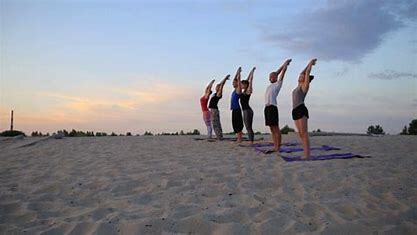
Breathing techniques and mindful movement practices offer a wide range of physical, mental, and emotional benefits. At their core, these practices encourage us to focus on the present moment and cultivate awareness of our breath and body which can significantly reduce stress and improve overall well-being.
Breathing techniques, such as deep breathing, diaphragmatic breathing, or alternate nostril breathing, for example, activate the parasympathetic nervous system. This “rest and digest” response helps lower heart rate and blood pressure, reduces cortisol levels, and promotes relaxation. A regular practice of controlled breathing can enhance focus, clarity, and resilience in stressful situations.
Mindful movement encourages us to move with intention and awareness, helping us connect with our body’s needs and limits. This awareness can improve posture, balance, and coordination, while also building strength and flexibility. Mindful movement is especially beneficial for those with chronic pain, as it allows them to engage in gentle, controlled activity that promotes healing without strain.
Together, breathing techniques and mindful movement create a holistic approach to health. These practices not only relieve tension but also increase self-awareness, emotional balance, and resilience. By incorporating these techniques into daily life, individuals can experience greater mental clarity, reduced anxiety, and an enhanced sense of connection between mind and body.
Breathe Eden Physical Therapy, Yoga, and Wellness was created based on these foundations and techniques. Breathing techniques and mindful movement is used as part of the holistic approach to healing. These practices can enhance physical therapy by promoting relaxation, improving body awareness, and facilitating gentle movement that aligns with recovery goals. Yoga and other mindful movement exercises are commonly used to complement traditional therapy, focusing on strengthening, flexibility, and managing stress, which are essential for both physical and mental recovery. Incorporating these techniques into people’s rehabilitation and plan of care helps them achieve better balance, reduces pain, builds resilience in both body and mind.