Late Summer in Bloom
From pruning dahlias to savoring muscadines, Frances Worthington shares August gardening tips rooted in both beauty and practicality. Learn how to make the most of seasonal blooms, keep your garden hydrated (but not overwatered!), and even add edible flowers to your next meal.
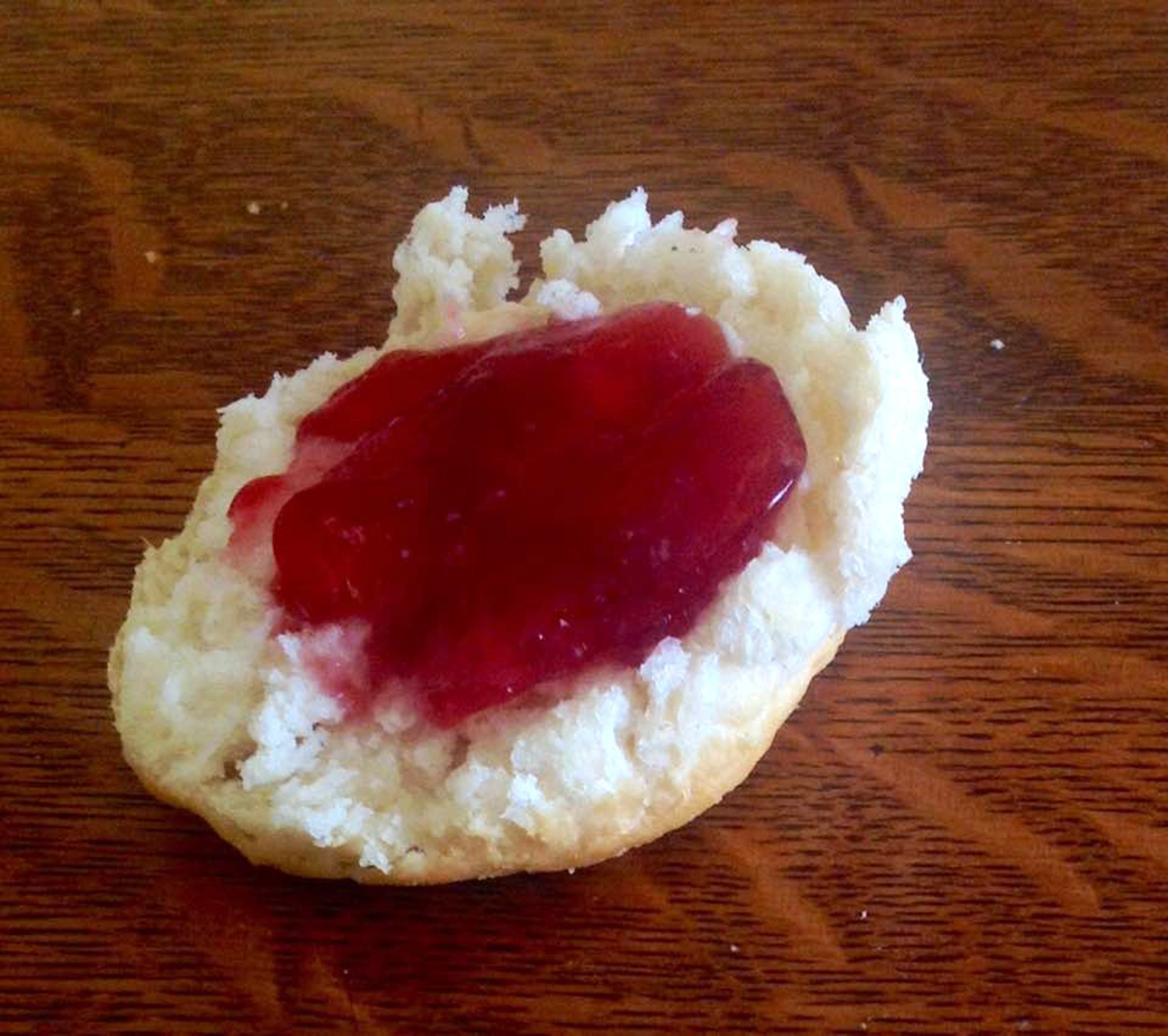
Muscadine jelly is as good as it looks.
Every August I pull out a gorgeous vase made by local potter Bob Chance and fill it with matching flowers from ‘September Charm’ anemones—which, despite their name, don’t wait until September to begin opening their pink blossoms. Although native to the Himalayas, anemones have adapted to life here with determined vigor and will, if allowed, relentlessly expand. They bloom most prolifically when planted in dappled shade or a spot receiving morning sun but afternoon shade.
Eyes on the Rain Gauge
On the day after a generous rain, it’s surprising to see how many Greenville homes and businesses have their sprinklers turned on. Besides being wasteful, overwatering can encourage the spread of fungal infections, foster weak growth, cause root rot, and leach essential nutrients from the soil. In our climate, the general rule is that an inch or two of
rain is enough to keep gardens, lawns, and trees happy for four to seven days, depending on just how hot and sunny the days are. During cool months, a couple of inches of rain can ensure moist soil for two weeks for more.
Don’t own a rain gauge? Well, maybe it’s time to get one. A straight-sided glass from a thrift store will suffice, but fancy versions are widely available. Check the gauge, note rainfall amounts in your garden journal and watch your plants. For tactile information, dig several inches into the ground and let your fingers decide if it’s moist or dry. Turn
sprinklers on only when truly necessary.
Another way to judge soil moisture is to examine the leaves of your blue or pink hydrangeas. Their leaves should be perky in the morning, will probably droop in the heat of midday (especially in direct sun), and then should begin to look happy again as the sun disappears behind the mountains. If, however, the leaves are limp and sad at dawn or after sunset, it’s time to water.
Use Petals and Herbs
Borage, nasturtium, geranium, rose, daylily, bee balm, even some varieties of marigold—the list of colorful flowers with which one can safely adorn late summer meals is a long one. Most of us are already familiar with the flavors of leafy herbs like parsley
and basil, but blossoms can also be tasty, ranging from quietly sweet to intensely floral, peppery, sour, or gingery, One of our favorites is bee balm (also called bergamot), because the delicate flowers are simultaneously aromatic and peppery.
Prune and Feed
Dahlias often look sad in August, as do many of the reblooming roses, but this is exactly when they will most benefit from a careful trim and a nice meal. Cut back stems that are awkward or weak and snip off all the dead flowers and seed pods. Feed with your favorite fertilizer and expect to see fresh growth in a couple of weeks. As the weather cools, they should produce a bevy of lush blossoms in September, October, and maybe even November.
Muscadines and Scuppernongs
Our native Southern grapes—Muscadines—are beginning to ripen in shades of maroon, purple, light green, and bronze. The lighter-colored and bronze varieties are often called ‘scuppernongs’ because they were originally brought from the wild into cultivation near the Scuppernong river in North Carolina. If you’ve never eaten a muscadine, be adventurous and buy a few at a farmer’s market. Casually throw one into your mouth, separate and spit out seeds and skin, then savor the delicious pulp. Given the right surroundings, this can morph into a contest akin to watermelon seed spitting. Some people like to eat the skin, but most of us find it too bitter. Muscadines of all colors make excellent jellies and jams; plop some on a biscuit and sigh with pleasure!