Old Westbury: A Memoir
Part V: Earlier, 1933 to 1936
1933: The Coming Out
On a November evening in 1933, she floated into the ballroom on a wave of violins. Her gown was silk and tulle in baby blue, her long-gloved hand resting lightly on her father’s arm. Tonight was her coming out, the evening when she would be seen not as a child but as a young woman ready to take her place in the world. Crystal chandeliers blazed overhead, gilded mirrors caught every flicker of light, and the air shimmered with perfume and expectation.
Her name was spoken in the hallways of schools, printed in society pages, and whispered among the guests who watched her glide into the room. Yet in this moment, she seemed nameless, almost translucent, as though she belonged to a story still unfinished.
Outside, New York was about to shake off Prohibition, but it did not matter; she saw only him.
Charles Whitmore. His name carried weight. The Whitmores were Park Avenue society, with their estate facing Central Park and a fortune rooted in railroads and steel. He was impeccably dressed, his black hair swept back, his posture effortless yet commanding. Conversations quieted as he crossed the floor, people watching not only because of his wealth but because he carried himself as if the room belonged to him.
He extended his hand, and when she placed hers in his, the orchestra swelled just for them. They waltzed, and with each turn of the floor, time itself bent around them. The crowd, the chandeliers, the walls, all faded into a blur. What remained was the certainty of his arm steady at her back, the rhythm of their bodies in accord.
In that moment, love struck not as a gentle stirring but as something immediate, undeniable, complete. It felt less like a beginning and more like a recognition, as though they had always been meant to find one another here, beneath the chandeliers, in this very dance.
1934: The Courtship
Charles called on her the next week, arriving in a gleaming silver gray chauffeur-driven Packard. On weekends, he preferred his red roadster, sleek and shining, the wind tossing his dark hair as he sped her through the city or along the North Shore. After a proper courtship, roses followed, then violets, then orchids, each bouquet larger than the last.
Society friends whispered that Charles Whitmore was not only well bred but well-positioned, a fortune anchored in railroads and steel, an inheritance managed with ease rather than toil. He was a fixture in New York’s party life, comfortable at the Plaza and at the Stork Club, where champagne flowed. Their evenings moved from city ballrooms to country clubs, from late suppers at the Plaza to summer yachting on Long Island Sound.
That spring, he proposed and placed a diamond ring on her finger, an heirloom that had belonged to his mother. She was twenty-one. It was no surprise. Everyone expected it, but when the stone caught the light, she felt the promise of her life crystallize. Her parents beamed with pride. Her mother wept. Her father declared the match a triumph. In quieter moments, they wondered whether Charles’s exuberant energy might overwhelm her gentle nature. Perhaps it would be a balance. She had always been a little withdrawn.
They were married days before Christmas at St. Patrick’s Cathedral, candles bright against the marble and carols rising into the arches. Outside, snow fell softly onto Fifth Avenue, muffling the clatter of traffic as holiday windows glowed in the night. Guests stepped from limousines in velvet and winter stoles, their breath rising in frosty clouds. Afterward, the Plaza’s ballroom shimmered with poinsettias and crystal, an orchestra carrying waltzes past midnight. The papers called it the wedding of the season. She remembered only his hand finding hers and his whisper: “Now the future is ours.”
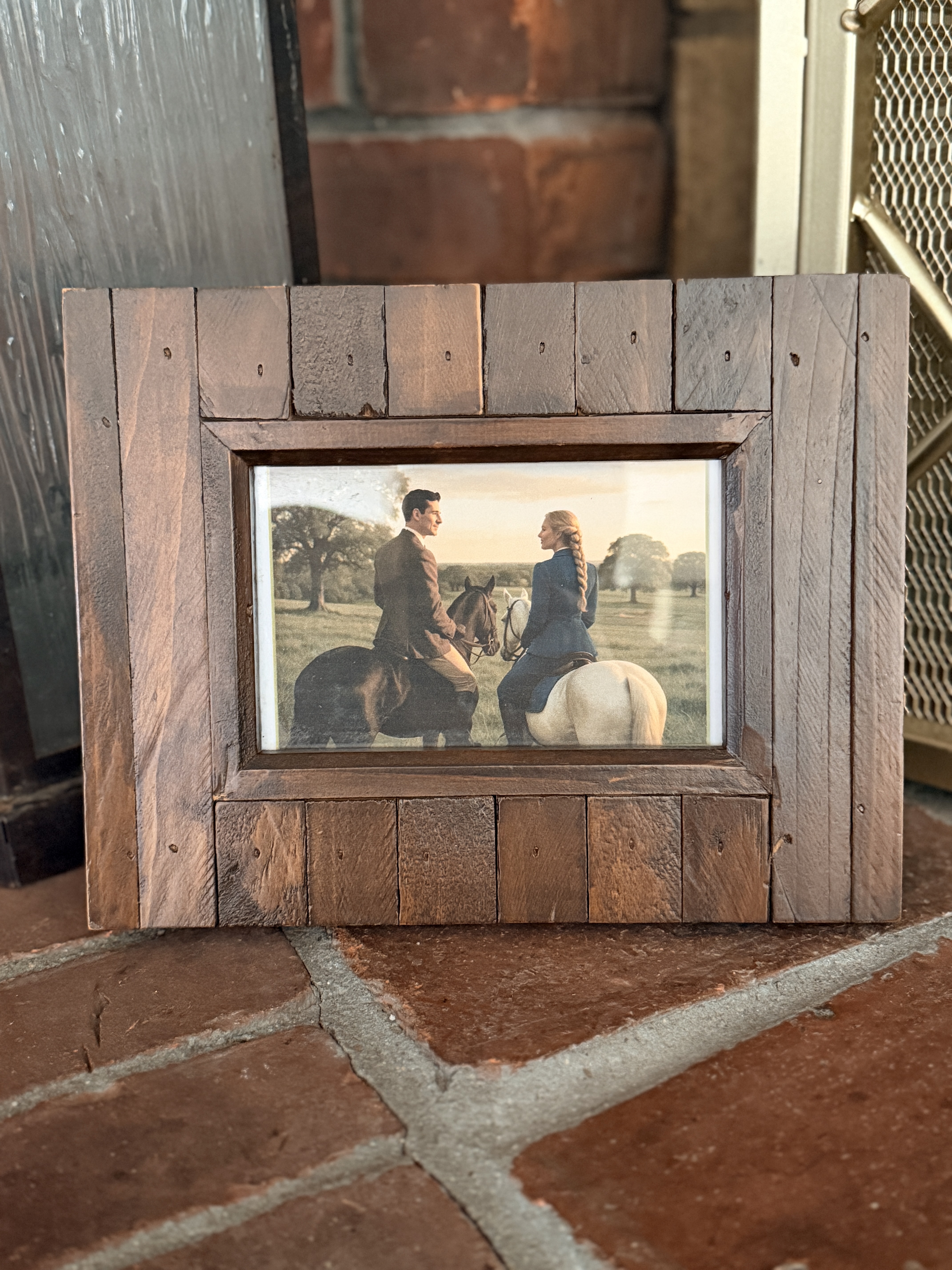
Charles spoke often of Old Westbury, with its rolling lawns and wooded paths where new estates were rising. An equestrian, at ease in the saddle and in a tuxedo, he kept thoroughbreds from Kentucky and England. On weekends, he took her riding through bridle paths cut across floral meadows. It was there, among cherry blossom trees and rolling lawns, that she first saw the land he promised would be theirs.
He pointed to a rise above Wheatley Road. “This is where it will be,” he said. “A house to honor you. Modern. Strong. A home where we can entertain, where you are free to host when I am away in the city. A place where you can have as many dogs as you wish, ride horses, or breathe clean air. I will build you a ballroom where you can see yourself reflected in mirrors, and because you are my angel, I will have cherubs among the clouds painted on the ceiling, looking down at you.” She felt honored.
Through the winter, they met with the architect, sketching where the light would fall and how the octagonal ballroom would open to the gardens. “This will not look like any other place on the North Shore.”
As spring ripened, their love took root in stone. The house began to rise from the earth like a vow made visible, every line and curve a reflection of their devotion.
Stay tuned for May: In an age of grace and grandeur, love and ambition begin to shape the mansion that will haunt generations to come.