The Business of Doing Good
Why financial stewardship matters just as much as charitable intention.
For many families in Old Westbury, philanthropy is deeply woven into everyday life. Some support causes that have been important to their families for generations. Others serve on nonprofit boards, establish private foundations or take an active role in organizations they believe can make a difference.
But while the focus of philanthropy is naturally on the charitable mission, there is another side of charitable work that is just as important: making sure the organization behind that mission is financially sound, responsibly governed and equipped to fulfill its purpose.
That is where financial stewardship comes in.
For nonprofit organizations and their boards, financial responsibility extends well beyond keeping the books in order. Boards have a fiduciary responsibility to understand how an organization is managing its resources, whether appropriate controls are in place and whether financial reporting provides a clear picture of the organization's health.
And as nonprofits grow, receive grants, manage significant donations or take on increasingly complex operations, those responsibilities can become even more important.
““A nonprofit’s mission may define its purpose, but sound financial stewardship
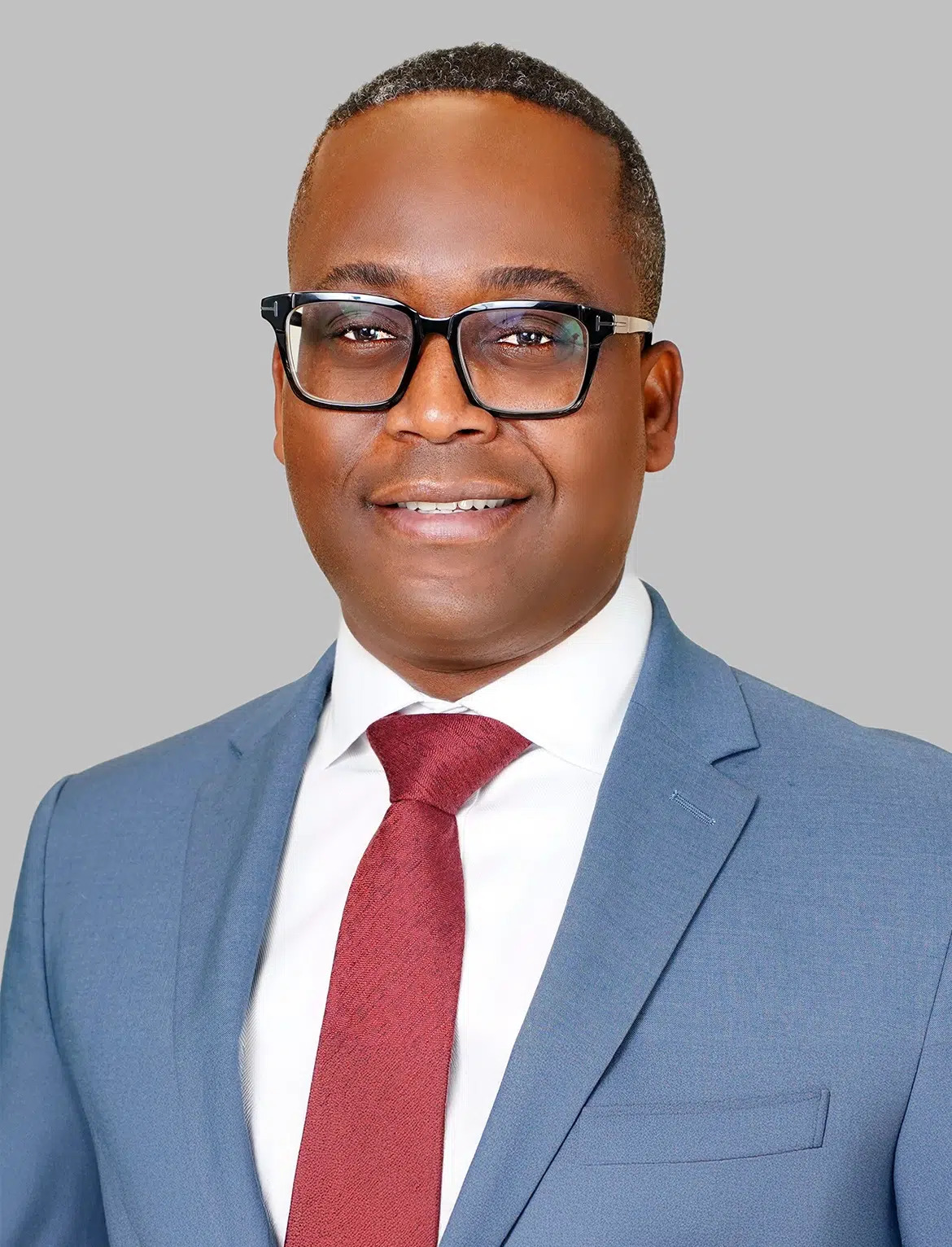
helps sustain that purpose”, explains Frantz Pierre-Louis, CPA, Managing Partner of Pierre-Louis & Associates. The Baldwin-based firm specializes in audit, assurance, tax and advisory services, with particular expertise serving nonprofits, charitable organizations, government agencies and grant-funded programs.
For a board member, understanding the numbers doesn't necessarily mean becoming an accountant. It means asking the right questions.
Are financial reports giving the board the information it needs to make informed decisions? Are responsibilities appropriately separated? Are internal controls strong enough to protect the organization's assets? Are potential risks being identified before they become larger problems?
These may not be the most visible aspects of philanthropy, but they are fundamental to maintaining the trust of donors, beneficiaries and the community an organization serves.
That same principle applies to families who have established private foundations or are involved in significant charitable giving. The larger and more sophisticated a philanthropic operation becomes, the more important it is to have the right structures in place to not only meet regulatory requirements, but to ensure that charitable dollars are being managed in a way that supports the family's intentions and the organization's mission.
Pierre-Louis & Associates works with organizations on many of these behind-the-scenes challenges, including internal controls, compliance, governance, risk management, audit and assurance. The firm's professionals have experience ranging from local nonprofit organizations to international institutions, including work involving organizations such as the United Nations and UNICEF.
Perhaps most importantly, the firm's perspective is informed by firsthand experience. Pierre-Louis himself has served as a treasurer on nonprofit boards, giving him an understanding of the questions and responsibilities that come with sitting on the other side of the table.
Philanthropy is ultimately about making a difference. Making sure the resources behind that mission are managed thoughtfully is an important part of that work, too.
**SIDEBAR**
A Conversation with an Expert
Three questions for Frantz Pierre-Louis, Managing Partner, Pierre-Louis & Associates
1. For someone who serves on a nonprofit board, what financial or governance responsibilities might they underestimate?
“One thing I often remind board members is that you don’t have to be an
accountant to provide meaningful financial oversight. But you do have to be
engaged. Every board member shares responsibility for understanding the
organization’s financial health; not just the treasurer or finance committee. That
means reviewing the budget and financial statements, understanding where the
organization’s funding comes from, asking about significant or unexpected
expenses, and making sure appropriate controls are in place. Most people join
nonprofit boards because they believe deeply in the mission, and that passion is
invaluable. But protecting the mission also means protecting the resources that
make the mission possible. “You don’t need to know every number, but you
should never be afraid to ask what the numbers mean.”
2. What are some of the warning signs that a nonprofit may have weaknesses in its financial controls or governance?
“Weaknesses often reveal themselves through small things before they become
big problems. Financial reports are repeatedly late. Bank reconciliations fall
behind. Supporting documents cannot easily be produced. One person has too
much control over receiving, spending, recording, and reconciling funds. You
may also see board meetings where financial matters receive very little
discussion, audit recommendations remain unresolved, or conflicts of interest are
not properly documented. None of these things, by itself, necessarily means
something is wrong. But they should prompt questions. In my experience, strong
organizations create a culture where accountability is welcomed rather than
avoided. “The biggest financial problems often begin with small warning signs
that everyone assumed someone else was handling.”
3. What is one question you would advise every nonprofit board member would ask at their next board meeting?
“I would encourage every board member to ask, “What is the biggest risk facing
our organization today, and are we prepared for it?” It is a straightforward
question, but it can lead to a very meaningful discussion. The answer might
involve cash flow, dependence on one major funding source, compliance,
cybersecurity, staffing, internal controls, or the sustainability of a key program.
What matters is that the board understands the risk, how it could affect the
organization’s mission and financial stability, and what management is doing to
address it. Board members should certainly understand what has already
happened, but effective oversight also requires looking ahead. The board should
have a clear picture of the organization’s most significant risks and be
comfortable that appropriate plans and safeguards are in place.”
Connect with Frantz Pierre-Louis and his team at www.cpa-li.com