Banana Bread: Beyond the Peel
By Elise Matney
Mondays are generally a less popular day of the week, but they hold a warm, golden, buttery, and sweet place in my heart—and have for years. With the past weekend’s games and fun fading into memories, and after a long day of learning and excitement at school, I would race home, bursting through the door knowing that Mondays meant only one thing in my house: Banana Bread Day!
Spotted Surprises
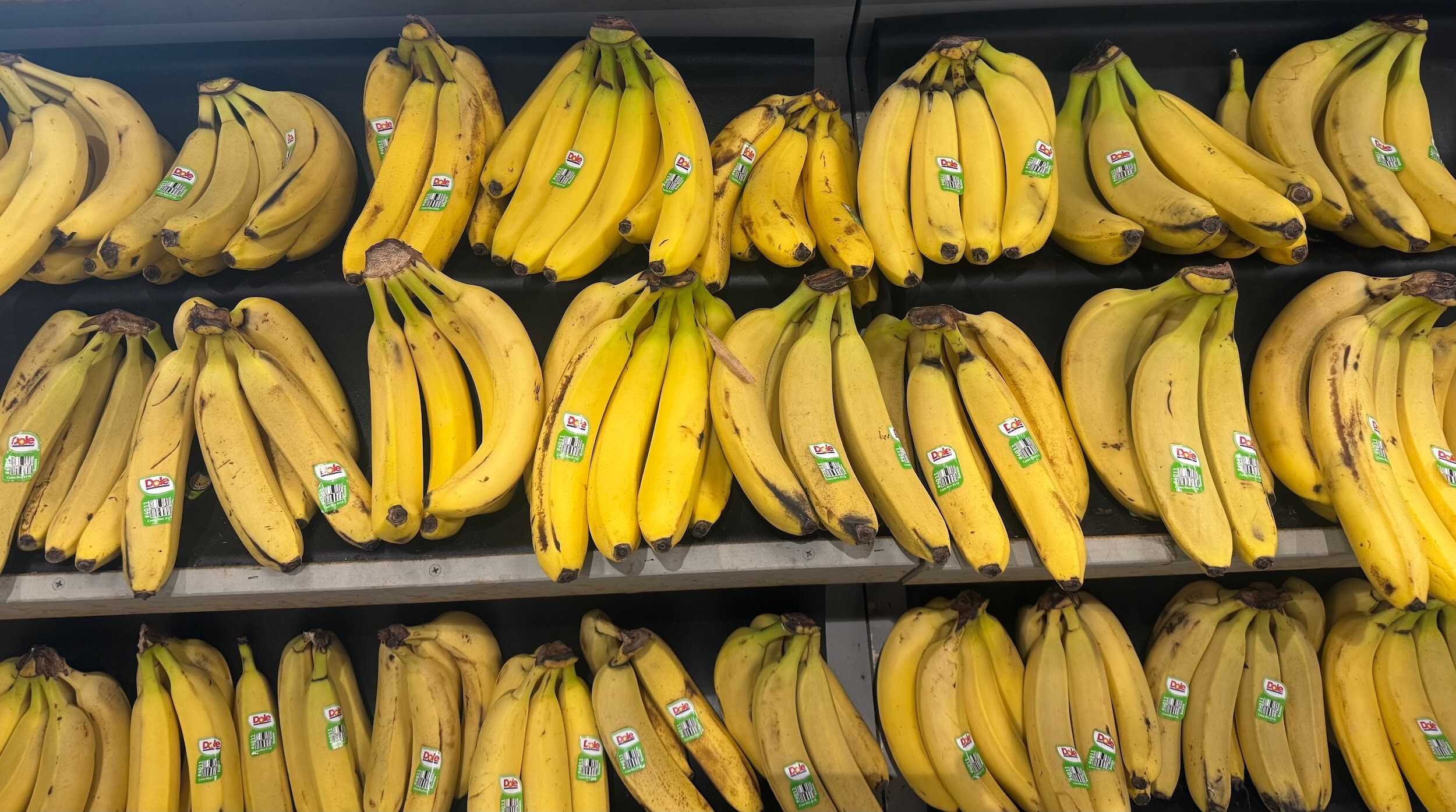
While weekends were spent using up the last of our groceries and making lists for the week—what do we have, what do we need, and what is going bad soon that we should use quickly—Mondays were devoted to making and baking most of our surplus foods. Bananas were always on that list. I quickly learned that overripe bananas—the brown, spotted, and most unappetizing-looking ones—are actually the easiest to bake with, being soft and producing the sweetest flavors.
Banana Republic
Fortunately, my home included Dora, my second grandma and beloved nanny who was an expert at baking all things—especially banana bread. Dora, was born in Guatemala, which has a surplus of what she called “bananos,” and is one of the largest suppliers of bananas to North America. Wise Guatemalans often make banana bread to use their excess bananas just before they are too brown to eat. While Dora’s homeland produced golden treats for the world to enjoy, she also shared many not-so-sunny stories about what banana farms meant to her: companies owning too much of the land, a lack of worker rights, governmental instability, and gangs that left her fearful—and became a big reason why she left the country once she had her own children.
The older me now knows she was born into what is often called a “banana republic,” a term used when a country becomes too dependent on a single product or export, causing instability as people and government lose control to companies. Dora would often say that the price would be paid for generations to come.
Rise and Risks
Banana bread’s popularity in the United States was also born out of tough times, specifically the Great Depression of the 1930s, when sugar became expensive and a banana’s sweetness offered a more affordable alternative to keep baked goods enjoyable.
Though banana bread contains fewer than ten ingredients, most of which you likely already have in your pantry, it can be easy to make mistakes. So please learn from my many, many failed batches before you take yours to the oven:
- Use room-temperature ingredients so they blend more easily.
- Don’t overmix, this can create gummy, dense bread.
- Use the right bananas, spotted and brown overripe bananas make the best bread!
The price of peace
Get ready—National Banana Bread Day arrives every February 23rd in the US. Let it be a simple reminder not just to bake something warm and familiar, but to acknowledge the long, complicated story behind the ingredients we may take for granted. Enjoying what comes out of our ovens can go hand in hand with recognizing the farmers, workers, and countries whose workers and land make our comfort foods possible. And if banana bread teaches anything, it’s that value isn’t always obvious at first glance; what looks past its prime can still hold something worth appreciating, if we’re willing and take the time to look past the peel.