Late-Winter Garden Highlights
Hellebores and February Tasks for a Healthy Spring
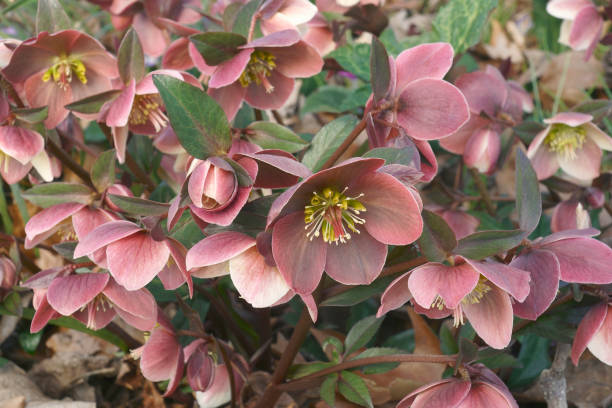
Late winter is a quietly important moment in the garden. While much of the landscape still rests, certain plants begin to shine, and a few well-timed tasks can make a meaningful difference in how the garden performs in the months ahead. Hellebores, often called Lenten roses or Christmas roses, are among the most valuable plants for this season, offering beauty, structure, and reliability just when it is most appreciated.
Hellebores: Winter Jewels in the Garden
As winter settles in and much of the garden goes quiet, hellebores take center stage. Thanks to modern breeding, today’s hellebores feature larger flowers, stronger plants, and an impressive range of colors. Blooms may appear in white, cream, yellow, green, pink, red, slate gray, and near-black, often accented with speckles, veining, or contrasting edges. Flowers can be single, semi-double, or fully double, adding richness and visual depth to winter plantings.
One of the greatest strengths of hellebores is their bloom timing. In mild-winter regions, they can begin flowering as early as January and continue for months. Cool temperatures actually extend bloom duration, allowing flowers to remain attractive well into early spring. Their nodding blooms naturally protect pollen from rain and frost, contributing to their long-lasting performance.
Beyond flowers, hellebores provide year-round structure. Their thick, leathery foliage remains evergreen, forming tidy clumps that anchor planting beds during the quietest season. Mature plants typically reach 1 to 2½ feet tall and wide, making them ideal for borders, shaded pathways, woodland gardens, and foundation plantings. They thrive in partial shade and prefer moist, well-drained soil, performing especially well beneath deciduous trees where winter light and summer shade are balanced.
Pruning hellebores is primarily about aesthetics and plant health. Many gardeners enjoy the glossy foliage through fall and early winter. As temperatures warm and new growth begins, older leaves can be cut back at the base using clean, sharp pruners. This simple step improves air circulation and allows flowers to be fully visible, instantly refreshing the plant’s appearance.
Three Important Garden Tasks for February
1-Prune roses and summer-blooming shrubs. February is the key pruning window for roses, before buds break. Remove dead or crossing canes and shape plants to encourage airflow and strong growth. Summer-flowering shrubs such as crape myrtle and butterfly bush can also be pruned now. Spring-blooming shrubs should be left alone until after flowering.
2-Cut back and refresh perennials. This is the moment to clean up ornamental grasses and perennials that look tired from winter. Cutting back old growth makes space for fresh shoots and helps reduce pests and disease. Hellebores, in particular, benefit from selective foliage removal just before peak bloom.
3-Weed, amend soil, and mulch. Winter rains leave soil soft and workable, making February an excellent time to remove weeds before they establish. Adding compost improves soil health, and a fresh layer of mulch helps retain moisture, suppress weeds, and give beds a clean, finished look heading into spring.