The Year-Round Symphony
Why Dogwoods Are the Ultimate Landscape Investment
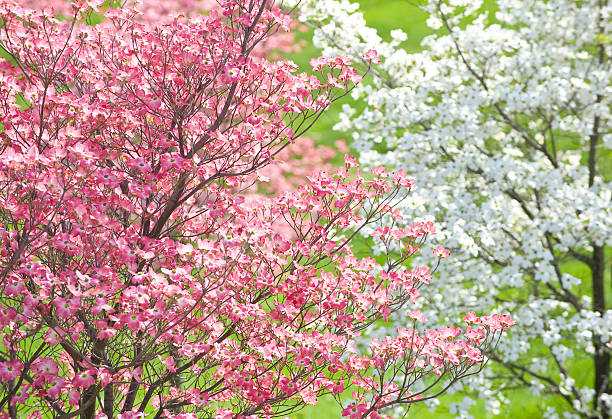
Spring arrived early for us this year. Pear trees with their white flowers were first out of the gate followed quickly behind and almost in conjunction with the Magnolias trees and ornamental plum trees with purple buds that can be seen at the entrance to our community.
What’s next you might ask? Dogwoods of course!
Dogwood trees (genus Cornus) are among the most refined small ornamental trees available to gardeners and landscape designers. Their graceful branching, luminous spring blooms, attractive foliage, vibrant fall color, and winter bark or berries make them true four-season performers. Whether you’re designing a woodland edge, softening the corner of a home, or creating a layered understory planting, dogwoods offer structure, elegance, and seasonal drama without overwhelming a space.
Classic White Dogwoods
The most recognized species is Cornus Florida, commonly called flowering dogwood. Native to the eastern United States, it thrives in USDA Zones 5–9. In spring, before or as leaves emerge, large white bracts (often mistaken for petals) float along horizontal branches, creating a cloud-like effect.
One of the most beloved cultivars is Eddie’s White Wonder. This hybrid (a cross between Cornus Florida and Cornus nuttallii) is prized for its:
- Larger, more abundant white blooms
- Stronger disease resistance
- Vigorous growth and improved heat tolerance
‘Eddie’s White Wonder’ performs beautifully in Zones 6–9, making it an excellent choice for gardeners who love the look of native dogwoods but want a bit more resilience. You can see this blooming as you exit our community's main entrance on the right side by tee box 2.
Variegated Dogwoods
Variegated varieties elevate dogwoods from seasonal interest to year-round visual assets and are some of my favorite dogwoods. Cultivars such as Cornus Florida ‘Variegata’ and Cornus Florida ‘Cherokee Daybreak’ feature green leaves edged in creamy white.
These trees offer:
- Brightness in shaded gardens
- Textural contrast against darker evergreens
- Foliage interest long after flowering
Variegated types typically thrive in Zones 5–9 and benefit from protection against intense afternoon sun, which can scorch the lighter leaf margins. In dappled shade or morning sun, their foliage glows, especially when layered against darker backdrops like conifers or brick walls.
Pink and Purple-Flowering Varieties
For gardeners seeking romance and color variation, pink and rose-toned dogwoods are spectacular. Cultivars such as Cornus Florida ‘Cherokee Chief’ (deep rosy-red) and Cornus florida ‘Rubra’ (soft pink) bring warmth and vibrancy to spring landscapes.
These varieties share similar growing requirements:
- USDA Zones 5–9
- Partial shade to filtered sun
- Protection from harsh western exposure in hot climates
The pink cultivars are especially striking when underplanted with white azaleas, spring bulbs, or naturalized groundcovers. In a layered landscape, they create a focal point without overwhelming nearby plantings.
Placement: Where Dogwoods Thrive
Dogwoods are naturally understory trees, meaning they evolved beneath taller canopy trees. This informs their ideal placement:
- Light: Morning sun with afternoon shade is ideal. In cooler climates, they can tolerate more sun; in warmer Zones 8–9, filtered light prevents leaf scorch.
- Air circulation: Good airflow helps prevent fungal diseases like anthracnose.
- Protection: Avoid windy, exposed sites. Their branching structure is horizontal and somewhat delicate.
In residential landscapes, dogwoods excel:
- Near patios where blooms can be appreciated up close
- Framing entryways
- Along woodland paths
- As focal points in smaller yards
They typically mature at 15–25 feet tall and wide, making them perfectly scaled for most suburban gardens.
Soil and Water Needs
Dogwoods prefer:
- Well-drained, slightly acidic soil (pH 5.5–6.5)
- Soil rich in organic matter
- Consistent moisture, especially during establishment
They do not tolerate heavy, compacted, or poorly drained clay soils. Amending planting areas with compost improves structure and water retention without creating waterlogged conditions.
Water requirements:
- Deep watering during the first 2–3 years
- Consistent moisture during hot summers
- Mulch (2–3 inches) to protect shallow roots
Because dogwoods have relatively shallow root systems, avoid aggressive cultivation beneath them.
Year-Round Beauty
One of the greatest virtues of dogwoods is their four-season appeal:
Spring
Their iconic bracts appear before most trees leaf out, creating a luminous display. The blooms seem to hover along layered branches, giving the tree architectural elegance.
Summer
Glossy green foliage provides cooling shade. Variegated forms continue to add brightness, while pink varieties soften into richer tones.
Fall
Fall is where dogwoods truly shine. Leaves turn:
- Crimson
- Burgundy
- Purple-red
The transformation is often earlier and more intense than surrounding trees. Red berries appear on many varieties, attracting birds and wildlife.
Winter
After leaf drop, dogwoods reveal graceful horizontal branching. Some species, like Cornus kousa, offer mottled bark interest. Even without leaves, the tree’s silhouette contributes structure and quiet beauty to the winter garden.
Why Designers Love Dogwoods
For landscape designers, dogwoods are invaluable because they:
- Provide vertical layering without overwhelming space
- Pair beautifully with conifers and evergreens
- Offer seasonal transitions that feel intentional
- Adapt to both formal and naturalistic designs
Whether it’s the pure white elegance of ‘Eddie’s White Wonder,’ the luminous foliage of variegated selections, or the romantic tones of pink cultivars, dogwoods remain timeless.
With proper placement, thoughtful soil preparation, and consistent moisture, these trees reward gardeners with decades of beauty — from the first blush of spring through the rich colors of fall and the sculptural calm of winter. Consider adding one to your garden.