Children of the American Revolution (C.A.R.)
Celebrating the 250th Anniversary of the Signing of the Declaration of Independence
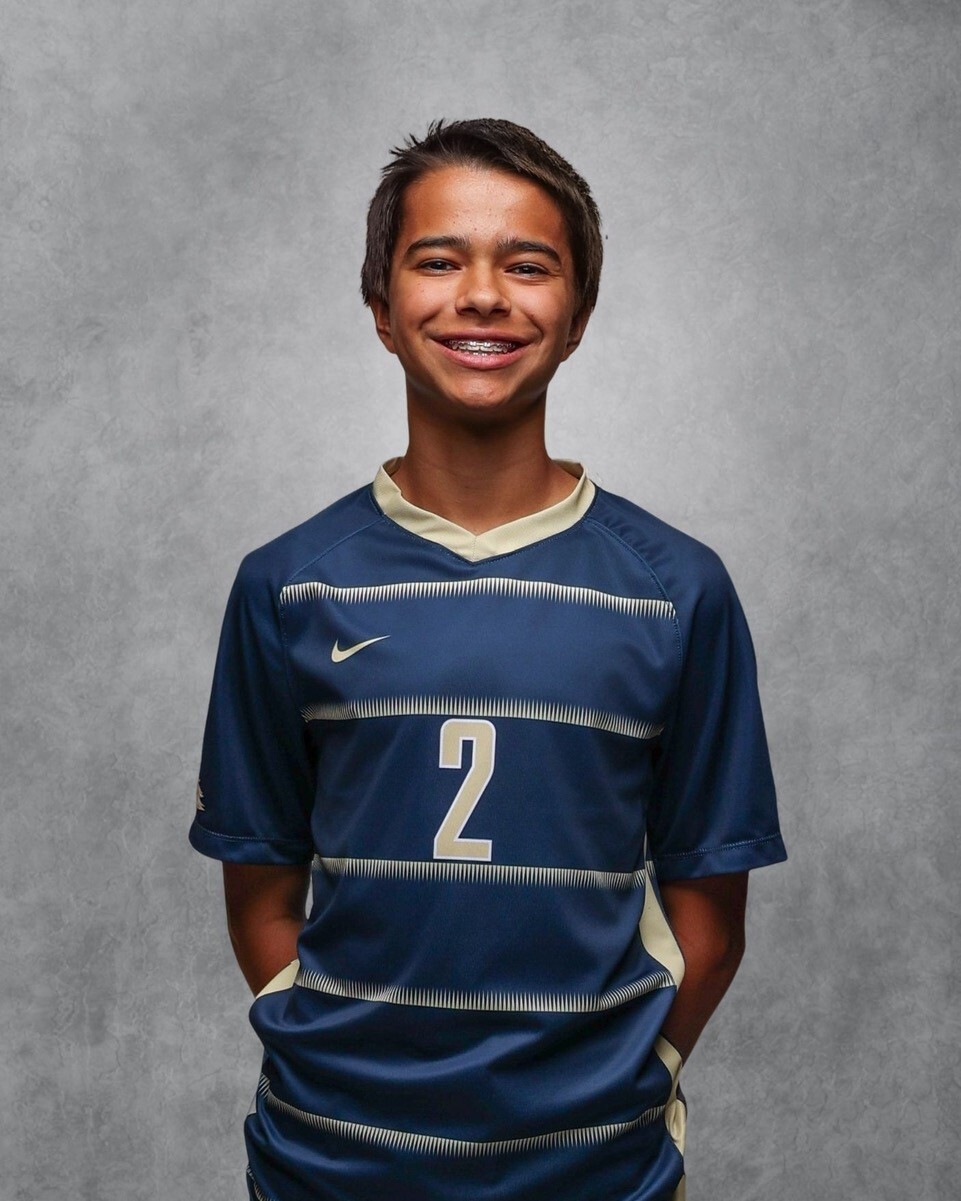
As we approach the 250th anniversary of the signing of the Declaration of Independence, I would like to shine a spotlight on the Children of the American Revolution (C.A.R.), the nation’s oldest non-political patriotic youth organization. C.A.R. is a lineage-based service organization dedicated to preparing young people to become engaged American citizens. To join, members must prove direct descent from an American Patriot who fought in or aided the Revolutionary War.
I was inspired to join C.A.R. because of my passion for history and my desire to give back to my local community. It offered a meaningful opportunity to explore both Arizona and U.S. history while developing leadership skills. Members participate in service work, community projects, and historic preservation efforts, attend statewide events, and build public speaking skills by leading meetings and workshops. These experiences have helped me grow tremendously, and in less than two years, I have risen to serve as president of my society.
Among the many events I’ve participated in, my favorite is Wreaths Across America. Each year on the second Saturday in December, volunteers gather across the country to lay wreaths on veterans’ gravesites in remembrance of their service. This past December, the National Memorial Cemetery of Arizona saw 16,000 wreaths sponsored and placed by local organizations, including C.A.R. Witnessing thousands of people unite for a single cause—to honor those who served our country—is truly inspiring.
C.A.R. also connects us to our family histories and their roles in larger historical events. One of my Patriot ancestors, my seventh great-grandfather Henry Harman, known as “Old Skygusta,” immigrated to colonial Pennsylvania from Germany in 1724. By 1754, he had become a frontiersman and the first white settler in southwestern Virginia. As western expansion led to conflict with local tribes such as the Cherokee and Shawnee—later known as Lord Dunmore’s War—Harman earned the nickname “Skygusta,” meaning “red chief,” for his bravery in battle. Stories like his connect my family directly to the broader struggle for American independence and deepen my appreciation for this pivotal era.
Beyond personal connections, I’m fascinated by the individuals who shaped history. One of my favorite accounts involves the commander of the German Hessian forces at Yorktown. When he heard rumors that George Washington planned to cross the Delaware and attack, he reportedly laughed and said, “Let them come.” Washington did—and the British surrendered soon after. Moments like this highlight the bold leadership and personalities that defined the Revolution.
If I could travel back to 1776, I would most want to meet Benjamin Franklin—the only person to sign the Declaration of Independence, the Treaty of Paris, and the U.S. Constitution. Renowned as a writer, scientist, inventor, diplomat, and political thinker, Franklin helped shape the nation in countless ways. I would ask him what he believed was the most important duty of a citizen in a republic.
As we commemorate the 250th anniversary of the Declaration of Independence, it is an ideal time to learn about the men and women who founded our country. Consider exploring your own family history—you may discover a connection to a Patriot of the Revolution. To learn more about the Children of the American Revolution, visit www.az-car.org.