Fall Cutbacks
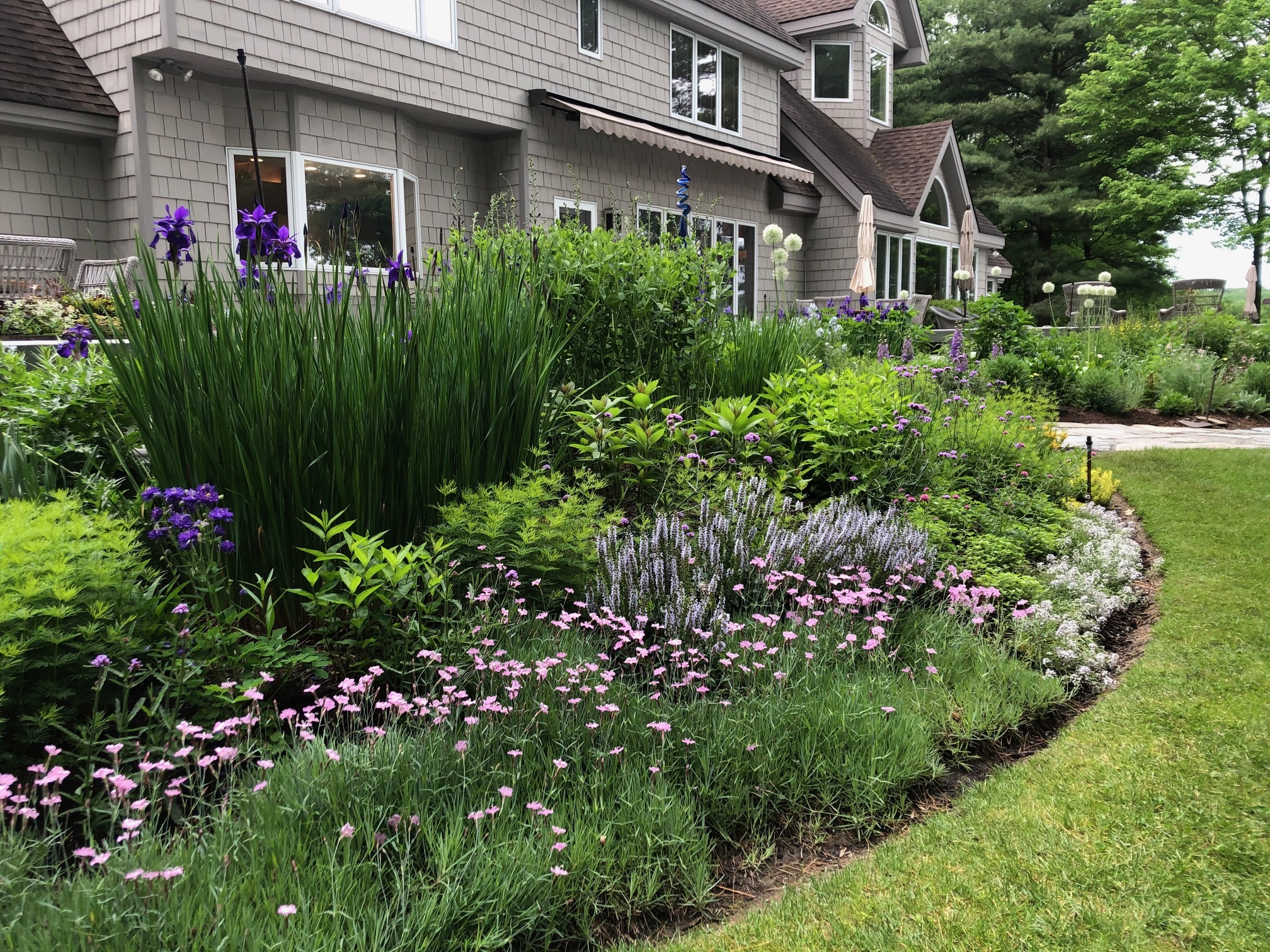
October has a way of making gardeners want to tidy everything. The leaves are falling, perennials are fading, and suddenly it’s tempting to head outside with pruners and cut the whole garden down.
But in fall, knowing what not to cut can be just as important as knowing what to remove.
Some perennials are easy candidates for cleanup. Plants whose foliage has collapsed, become mushy, or shows signs of disease can generally be cut back and the debris removed. Hostas, daylilies and peonies often fall into this category once their foliage has finished for the season.
Others are a judgment call. Coneflowers, yarrow and ornamental grasses can provide seed heads, winter texture and habitat for birds and beneficial insects. Leaving them standing until spring can be both beautiful and useful—but it isn’t mandatory. If you prefer a tidier winter garden, many of these plants can also be cut back in fall without harming them.
Then there are plants we intentionally leave alone. Evergreen and semi-evergreen perennials such as hellebores often keep providing useful foliage and groundcover through winter. Their tired leaves can be cleaned up in spring as new growth emerges.
And finally: don’t get pruning-happy with your shrubs. A warm stretch in October can encourage freshly trimmed boxwood, privet and other woody plants to push tender new growth. One Finger Lakes cold snap later, those soft tips can be damaged—and you may spend the winter looking at yellow or brown foliage. Major pruning is better timed to the needs of the individual plant rather than automatically added to fall cleanup.
Putting the garden to bed doesn’t have to mean cutting everything to the ground. Sometimes good gardening is knowing what to tidy, what to leave for winter—and what to simply leave alone.