Building Community & Connecting Innovators in DC
From the Orange Street Walking Club in honor of his mom, to connecting founders, innovators and policy leaders at STATION DC, James Barlia is building communities throughout the nation's capital
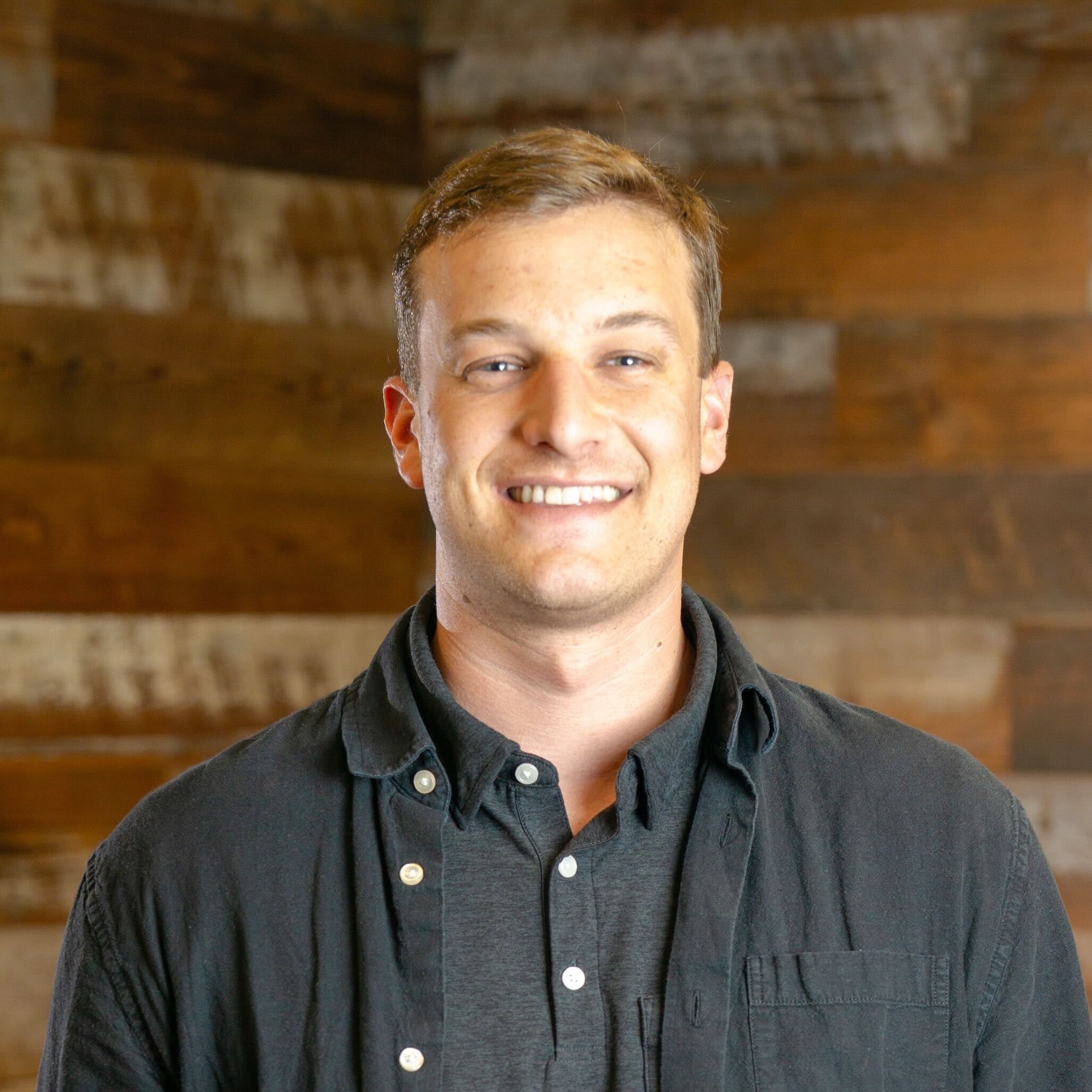
James Barlia grew up on 50th Street in Spring Valley. Like many kids in the neighborhood, he spent his childhood walking to CVS for candy, saving money he made car-washing for dinners at Tara Thai, and attending the neighborhood's annual Halloween party with his three siblings.
During the COVID lockdown, James returned to Spring Valley and rediscovered its charm. Daily walks through the neighborhood, beholding the manicured lawns and stately homes, offered a sense of calm and connection. Neighbors were quick to stop and chat, and evenings were spent with family, making homemade pizza, and watching episodes of Succession.
James eventually moved downtown to pursue his career and worked at Steve Case’s venture capital firm, Revolution, investing in early-stage technology companies across the U.S. Ultimately, he landed in Union Market to begin building what would become the STATION DC headquarters. STATION DC, which James now leads as Executive Director, is a nonprofit focused on advancing American innovation and entrepreneurship. Its mission is to make DC a central force in global technology by connecting problem solvers, including technologists, investors, policymakers, military leaders, academics, and philanthropists. The goal is to eliminate barriers, expand access to DC’s competitive advantages, and align talent with opportunity.
The organization operates through three core offerings. The first is workspace. Their Union Market District-based clubhouse is 13,000 square-feet full of lounges, desks, communal tables, board rooms, and food-and-drink service. The second is events, which range from private briefings with DC insiders—like experienced CEOs, investors, or policymakers—to large-scale summits. The third is mentorships, including education, which includes classes and crash courses on building relationships, investing in startups, founding companies, and navigating the intersection of tech, policy, and capital.
All three services aim to increase access to people and information.
STATION DC measures its success by the city’s success: more tech jobs, more startups, and a more competitive innovation ecosystem. The broader goal is to strengthen DC’s economic resilience and ensure the city reaches its full potential.
Orange Street Walking Club
James’ commitment to community-building is deeply personal. His mother, who passed away in 2021 from Ocular Melanoma, was known for making others feel supported, comfortable, and understood. She was very dedicated to exercise, and attended a 5 am boot camp in Turtle Park with other Spring Valley moms for years. She modeled the kind of leadership James tries now channels into his work.
To honor her legacy, James and his siblings started the Orange Street Walking Club. Every other Sunday, they gather with a small group in front of City Ridge for a one-hour walk and reflection. His older brother lives in Glover Park, his sister in City Ridge, and his youngest brother remains in Charleston, though they hope he’ll return to DC soon.
James also spent time at Experience Camps, a program for children who’ve lost a parent or caregiver. It helped him understand the role of community in processing grief and reinforced the importance of creating spaces for connection. The walking club, while informal, offers that space, for those navigating loss and for anyone seeking a sense of belonging.
Looking ahead, James hopes to return to Spring Valley to raise a family. For him, it’s more than nostalgia, it’s a vision of what community can be. And through STATION DC, he’s working to bring that spirit to the broader city, one connection at a time.
For more on the Orange Street Walking Club, see
For more on STATION DC, see www.stationdc.org
----------------------------------------------------------------------------------------------------
STATION DC -- DC's New Tech Hub for Founders, Policymakers, Investors
Stroll Spring Valley asked James to tell us a little more about STATION DC, an innovative new business group at the intersection of tech, policy, and capital. Located in the 12,000-square-foot Union Market "clubhouse," it's designed for frontier-tech founders, investors, government and military leaders, regulators, and philanthropists. DC has contributed $2 million to help start the nonprofit with the goal of providing an engine for job creation, attracting capital, and achieving breakthrough technological advancement here.
“We’re creating what we believe is the most talent-dense network in DC—founders, operators, investors, and policymakers all focused on a single mission: make DC the heartbeat of American tech leadership,” James says.
STATION DC opened its doors in Fall 2025. Tell us a little about the group.
STATION DC is convening leaders, generating awareness, and building high-quality, curated connections across the city. The momentum is real. There’s strong demand not just in DC, but nationally, from technologists, investors, and industry leaders who want to plug into what’s happening here, whether it’s policy, military, customers, capital, or knowledge. There's excitement here in frontier industries like energy, space, robotics, advanced manufacturing, defense, and national security. These are the sectors that will shape America’s future, and they’re increasingly looking to DC as the place to engage. For the city and its residents, that means jobs, investment, and growth. For our members, it means being in the room where decisions are made and opportunities are unlocked. DC has always been known for policy and power, but this moment feels different. There’s something special happening, and it’s our time to capture it, and to build the future we want.
Please tell us a little more about your members so far, and future plans.
STATION DC is a membership organization, and as of December we have xxx founding members. Our members are individuals, not companies (though many are sponsored by their employers). The breakdown today is roughly 50% employees of tech startups, 20% venture capital investors, 15% corporate executives, 5% government, 5% military, and 5% other - like nonprofit leaders, academics, and media. For startup employees here in DC, membership tends to skew earlier-stage - people who are building something new and looking for the tools, resources, and support to scale their ideas. For startups outside DC, it’s often more mature businesses that want a cost-effective way to expand their access and presence in the city. For investors, both local and national, the draw is insight into frontier industries and proximity to the people building here - ideally leading to more investment dollars flowing into DC.
About 65% of our members are based in the DMV and 35% come from outside the region, which shows the dual pull: DC talent and companies that want to grow, and national players who know they need a seat at the table here. Our goal is to create an environment that increases the probability of a flourishing, productive, connected, and resilient economy locally. By bringing technologists, investors, industry, government, and military together under one roof, we’re building the kind of ecosystem that makes DC stronger and more competitive for the long run.
About 65% of our members are based in the DMV and 35% come from outside the region, which shows the dual pull: DC talent and companies that want to grow, and national players who know they need a seat at the table here. Our goal is to create an environment that increases the probability of a flourishing, productive, connected, and resilient economy locally. By bringing technologists, investors, industry, government, and military together under one roof, we’re building the kind of ecosystem that makes DC stronger and more competitive for the long run.
Tell us about your events so far, and update us on future events.
We opened our doors on September 24th, and the next day hosted Fed Supernova DC, a major summit with speakers from OpenAI, Palantir, Oracle, NASA, the Department of War, the FBI, Bloomberg, and more. The focus for us is on the intersection of policy and government contracting, and it sold out with 500+ attendees. A January event -- How We Win 2.0 -- spotlights frontier tech innovation and the companies shaping America’s future in areas like AI, space, defense, robotics, and advanced manufacturing.
For our members, we arrange private briefings with sitting members of Congress, Cabinet officials, high-profile CEOs, investors, and industry leaders who sit at the intersection of tech and policy. Beyond that, we’re launching educational programming, from workshops on raising venture capital, to how to sell to the government, to how to build long-term relationships in DC. And we have a steady rhythm of community-building events -- happy hours, breakfast meetups, the kinds of moments that make it easy to connect, share ideas, and build relationships. Events in January included a drop-in day for those building and investing in energy to exchange ideas across nuclear, manufacturing, materials and policy; a technical briefing on how the Air Force buys technology; a briefing with the National Venture Capital Association's head of research; and a conversation with the founder of Ring on how he built the company from an idea in his garage into a billion-dollar acquisition.
We opened our doors on September 24th, and the next day hosted Fed Supernova DC, a major summit with speakers from OpenAI, Palantir, Oracle, NASA, the Department of War, the FBI, Bloomberg, and more. The focus for us is on the intersection of policy and government contracting, and it sold out with 500+ attendees. A January event -- How We Win 2.0 -- spotlights frontier tech innovation and the companies shaping America’s future in areas like AI, space, defense, robotics, and advanced manufacturing.
For our members, we arrange private briefings with sitting members of Congress, Cabinet officials, high-profile CEOs, investors, and industry leaders who sit at the intersection of tech and policy. Beyond that, we’re launching educational programming, from workshops on raising venture capital, to how to sell to the government, to how to build long-term relationships in DC. And we have a steady rhythm of community-building events -- happy hours, breakfast meetups, the kinds of moments that make it easy to connect, share ideas, and build relationships. Events in January included a drop-in day for those building and investing in energy to exchange ideas across nuclear, manufacturing, materials and policy; a technical briefing on how the Air Force buys technology; a briefing with the National Venture Capital Association's head of research; and a conversation with the founder of Ring on how he built the company from an idea in his garage into a billion-dollar acquisition.
As DC loses government jobs, what is on the horizon for attracting new businesses and investment?
One of the clearest signs of momentum is that about 35% of our members come from outside the DMV - and they’re using STATION DC as a front door to do more business here. That’s a direct pipeline of companies, capital, and talent flowing into the city. We’ve also seen real corporate attraction through STATION DC. Leonid Capital Partners, for example, opened a satellite DC office as a result of their relationship with us. In addition, we’ve built partnerships with groups like Vanta and a large international defense contractor, all of whom want to grow their footprint and do more business in DC. For the city, this means more jobs, more investment, and more high-growth companies choosing to plant roots here.