Architecture That Remembers
Architect Ross Ritchie believes every home begins with a story. Before designing for the future, he looks to the past.
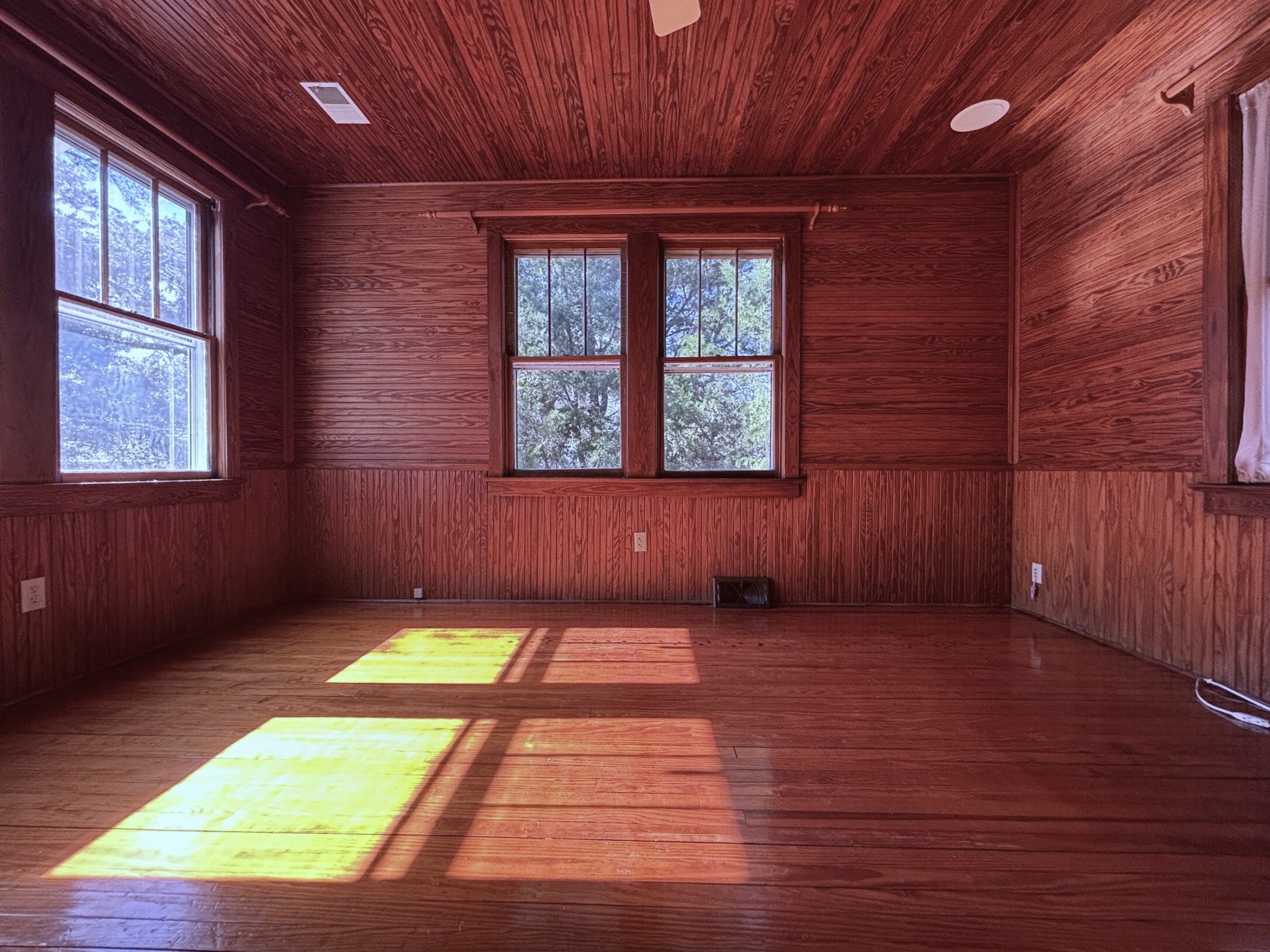
One of the things I love most about Sullivan's Island is that history is never very far away. Sometimes it announces itself in obvious ways—with a weathered cottage, an old live oak, or the remnants of a military structure emerging from the landscape. More often, however, it reveals itself quietly in the shape of a road, the orientation of a house, or a story passed from one generation to the next.
As an architect, I've come to believe every meaningful project begins by listening for those stories. That belief became one of the guiding principles of our firm.
Several years ago, our team began working with historians, most notably Christina Butler and Brittany V. Lavelle Tulla. It wasn't part of a grand strategy, just a shared desire to better understand the places entrusted to us. We quickly realized historical research wasn't simply informing our projects; it was changing the questions we asked from the very beginning.
On Sullivan's Island, the story of a property almost never begins at the property line. It may begin with military history, changing shorelines, old roads, or families who have returned generation after generation. Sometimes the most significant feature isn't the house at all, but the landscape that has shaped it for generations.
I remember one project where historical research completely changed the direction of the design. What first appeared to be a straightforward renovation gradually revealed a much richer history. Old photographs, plats, and Sanborn maps traced decades of evolution, while construction uncovered hidden fireplaces, forgotten doorways, and the hand-hewn craftsmanship of those who built the home. Piece by piece, the house revealed a story waiting to be rediscovered.
Rather than imposing a new vision, we found ourselves continuing an existing narrative. The final design wasn't an attempt to recreate the past or contrast with it. It simply became the next chapter in a story already being told.
That experience reinforced something I believe deeply: preservation is not about freezing time. Charleston and the Islands have always evolved. Homes have been expanded, adapted, repaired, and rebuilt for generations. The challenge is not whether change occurs, but how. Good preservation requires enough humility to understand the story being carried forward and enough restraint to ensure new interventions feel both harmonious and inevitable.
Architects have a unique responsibility in that process. We are entrusted with places that will outlive us. The decisions we make today may influence how a street feels fifty years from now. Our role is not simply to design beautiful buildings, but to preserve a sense of belonging.
I spent much of my childhood exploring the hills of West Virginia. Long before I understood architecture, I was fascinated by old farmhouses, weathered barns, and landscapes shaped by generations of use. Later, travel reinforced those lessons. Whether walking through centuries-old European towns or historic American cities, I found that the places people love most are rarely the most perfect. They are places where history remains visible, where buildings and landscapes have evolved together over time, and where each generation has left something meaningful behind.
Those experiences continue to shape how I see architecture today. Whether restoring a historic structure or designing a new home, the goal remains surprisingly similar: authenticity. It cannot be manufactured through architectural details alone. It emerges when a building feels connected to its surroundings, respects the landscape, and acknowledges the history of a place without becoming trapped by it.
That pursuit has become especially meaningful through a recent project on Sullivan's Island. The site contains remnants of Battery 520, a World War II-era structure whose presence continues to shape the landscape decades after its military purpose ended. Working within that context has reminded me that history is not confined to museums or archives. Sometimes it exists beneath our feet, quietly shaping how we experience a place every day.
As Sullivan's Island concludes its 250th anniversary celebration, I find myself reflecting not only on the past, but on our responsibility to the future. What do I hope future generations inherit? Not simply historic homes or beautiful streets, but a community that still understands the value of its stories. A place where old trees remain standing, where homes continue to evolve with care and respect, and where growth strengthens character rather than diminishes it. A place where history remains visible enough to remind us who came before us and guide what comes next.
Because ultimately, that is what architecture has always been about. Not simply building structures, but helping a place remember who it is.