Is Your Electrical Panel Up to the Job?
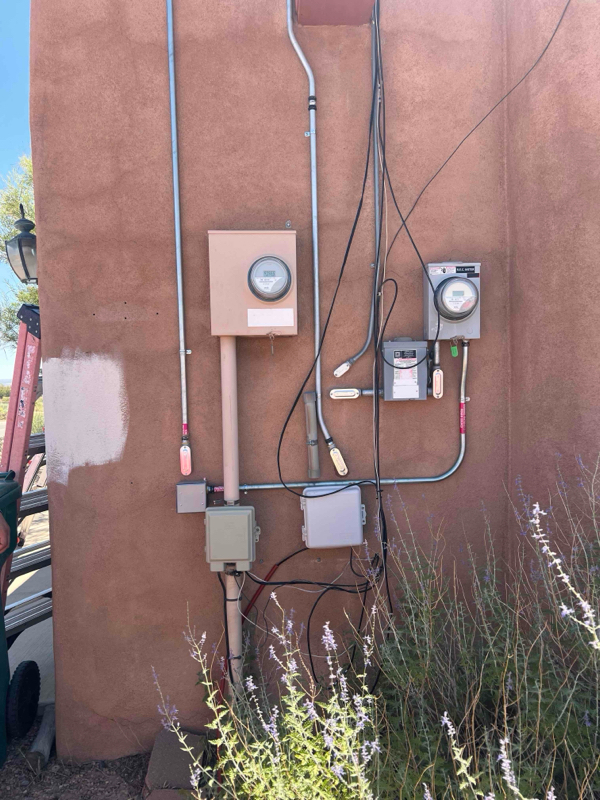
If your home was built before the mid-1970s, chances are your electrical panel wasn’t designed to handle the demands of modern living. And while it may seem like one of those “out of sight, out of mind” systems, your panel plays a critical role in protecting your family, your appliances, and your investment.
We spoke with Master Electrician Vinny Palmeri of Number One Plumbing, A/C, Solar & Electric to learn how to spot the warning signs of an outdated panel—and why upgrading might be one of the smartest home improvements you can make.
What does the electrical panel actually do?
“It’s the main distribution point for your home’s power,” says Palmeri. “Everything from your lights and appliances to EV chargers and hot tubs runs through that box. If it’s not functioning properly—or not designed for modern loads—it can cause serious problems.”
What are the red flags homeowners should watch for?
According to Palmeri, the most common signs include:
- Breakers that trip frequently
- Flickering or dimming lights
- Warm, buzzing, or corroded breaker panels
- Burn marks or signs of overheating
- No room to add additional circuits
- Homes built prior to the mid-1970s
- Outdated panels like Federal Pacific or Pushmatic
“These panels were common decades ago but are now known fire hazards,” he explains. “In fact, some insurance companies won’t cover homes that still use them.”
What makes older panels so risky?
“Older panels were built for a different era—before smart home technology, electric ranges, and EV chargers,” Palmeri says. “Even if everything seems to be working fine, these systems often have loose or corroded connections that lead to overheating, arcing, and eventual failure.”
He also notes that older wiring compounds the issue. “We often find daisy-chained outlets, outdated grounding methods, or even aluminum wiring in homes from that era—all of which make the system less safe and less reliable.”
How can upgrading make a difference?
An electrical panel upgrade isn’t just about preventing problems—it’s about planning for the future.
“With a 200-amp panel—or even 300 or 400 amps in some cases—you’re not only safer,” Palmeri says, “you also have the flexibility to add EV chargers, hot tubs, electric appliances, or solar panels down the line. And every upgrade includes whole-home surge protection and updated grounding to bring your home up to modern code.”
He also adds that many homes today benefit from smart home control panels, which integrate with upgraded systems to give homeowners better visibility and control over specific circuit loads.
What’s involved in the upgrade process?
Number One begins with a load calculation and visual inspection of your current panel. If an upgrade is needed, their team handles all permitting, coordinates with your utility provider, and completes the installation—often with same-day power restoration.
“We do everything we can to minimize disruption,” says Palmeri. “In many cases, we can build the new service right next to the old one and keep things moving smoothly.”
Is it worth the investment?
While every project is unique, Palmeri says the real value lies in long-term peace of mind.
“You’re protecting your appliances, preventing dangerous faults, and positioning your home for future upgrades. For most homeowners, the benefits outweigh the cost—especially when you consider resale value and insurance concerns.”
Final advice?
“Have it inspected,” Palmeri says. “If your panel hasn’t been looked at in years—or ever—it’s worth having a licensed electrician evaluate it. Even if you don’t need a full upgrade, there may be small improvements we can make that increase safety and reliability.”
Need help?
Number One Plumbing, A/C, Solar & Electric offers free panel inspections throughout Albuquerque and surrounding areas. Call today to schedule yours—and power up your peace of mind.
Number One Plumbing, A/C, Solar & Electric offers free panel inspections throughout Albuquerque and surrounding areas. Call today to schedule yours—and power up your peace of mind.