D-Lightful Health, The Surprising Powers of the Sunshine Vitamin for a Healthy Family
Essential for Bones, Immunity, and Your Mood
Vitamin D, commonly referred to as the “sunshine vitamin,” plays a significant role in keeping families strong, active, and healthy. It is vital for both children and adults, as it assists the body in absorbing calcium—an essential element for building and maintaining robust bones and teeth. For families with young children, adequate levels of vitamin D become even more crucial during periods of growth, laying the groundwork for lifelong wellness.
In addition to supporting bone health, vitamin D is key to a healthy immune system. This means fewer disruptions to daily routines like school, work, and family activities. With a well-functioning immune system, families can make the most of their time together, whether they are playing outdoors, attending community events, or simply sharing meals. Parents can take comfort in knowing that keeping vitamin D levels steady helps foster their children’s resilience and overall well-being.
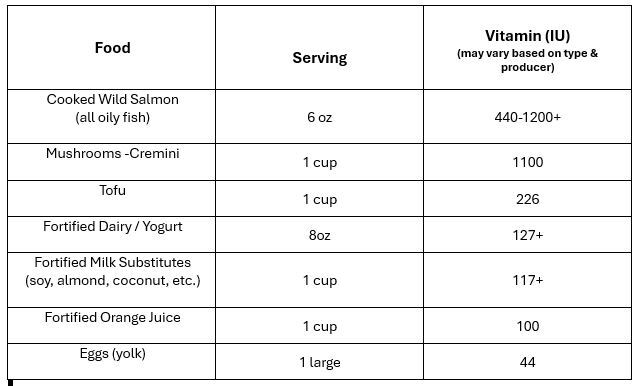
Modern lifestyles often limit sun exposure due to increased indoor activities and screen time, making it necessary for families to pay attention to their vitamin D intake. Simple habits, such as spending time outside, eating foods rich in vitamin D—including fortified milk, eggs, and fatty fish—or using supplements when advised, can help maintain optimal levels.
By making vitamin D a priority, families are building a solid foundation for health that supports energy, growth, and togetherness. It is a small, but impactful step that helps everyone feel their best, making it easier to embrace and enjoy life as a family.
The Synergistic Benefits of Vitamin D3 and K2
Vitamin D3 and vitamin K2 operate in harmony to optimize calcium utilization in the body. Vitamin D3 is responsible for promoting the absorption of calcium from the intestines into the bloodstream. Once calcium is circulating in the blood, vitamin K2 steps in to direct that calcium into the bones, where it can support bone health.
To visualize this process, imagine calcium as a baton and vitamins D3 and K2 as runners in a relay race. Each vitamin has unique benefits on its own, but their combined action ensures that calcium is effectively use by the body. Supplementing with both vitamin D3 and K2 allows for the full benefit of calcium. Additionally, some supplements combine these two vitamins and include iodine, which supports thyroid health.
Recommended Daily Amounts of Vitamin D3 and K2
Determining the right dosage for vitamin D3 and K2 begins with understanding your current vitamin D level. A simple blood test measures 25-hydroxyvitamin D, the main circulating form of vitamin D in the body. According to Life Extensions, an optimal level of 25-hydroxyvitamin D is between 50-80 ng/mL. Most people typically need to take between 2,000–10,000 IU (50–250 mcg) of vitamin D3 daily to achieve and maintain these levels.
For vitamin K, it is recommended to take at least 2.5 mg of total vitamin K (including both K1 and K2) each day. Individual needs may vary depending on the status of bone and arterial health. If you are unsure about your bone and arterial health, consider tests that evaluate these areas to determine if a higher dosage is necessary.
Vitamin D Self Check-up
- What is my 25(OH)D3 level?
- What time of the year was my level taken?
- What is my objective per 25(OH)D3 level?
- Optimal (>50ng/mL) = maintain what you are doing daily especially during the winter
- Minimal (30-50 ng/mL) = increase with sunlight, diet, and supplements
- Low (<30 ng.mL) = may need more aggressive treatment from your doctor