Mental Health Musings by a Psychiatrist
Part 2
On childhood:
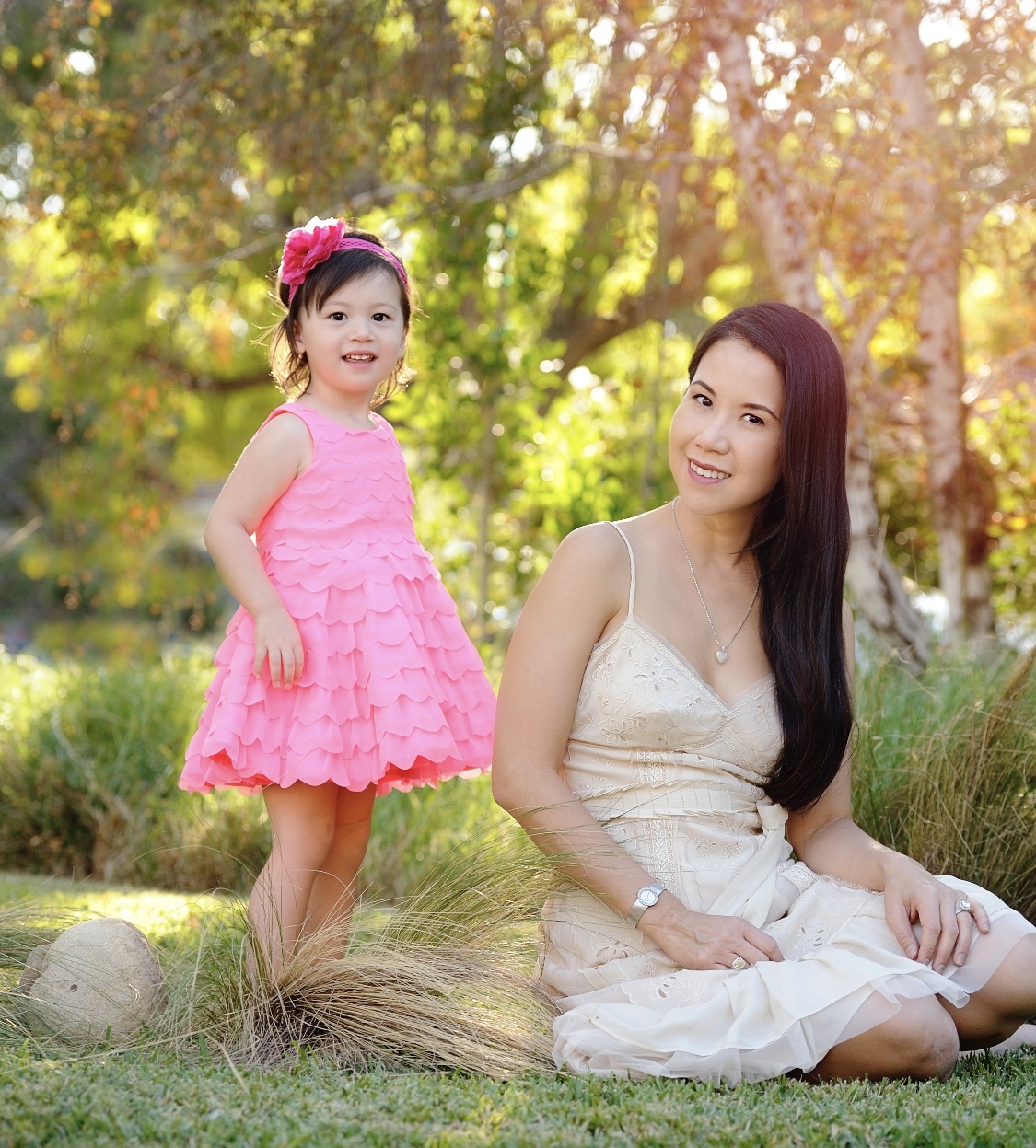
Happy parents make happy kids. Having a happy childhood is the best inheritance a parent can give a child. And the biggest factor in having a happy childhood is having a happy parent who is present to the child. Adverse childhood events cause not just mental health problems into adulthood but also physical health problems such as asthma, obesity, and coronary heart disease among other things. We know for sure that when a parent is chronically depressed, anxious, chaotic, or unstable, this causes a great deal of stress on the child. So, want to give your child a happy childhood? Then take care of your mental health so you can be happy and present for your children.
.
Kids may not do what you ask them to do, but they never fail to do what they see you do. They look to you to learn the way to BE. If they see you angry, worried or sad, that is what they learn how to be. Let them see you happy, calm and gracious. After all, the apple does not fall far from the tree.
Happy parents make happy kids. Having a happy childhood is the best inheritance a parent can give a child. And the biggest factor in having a happy childhood is having a happy parent who is present to the child. Adverse childhood events cause not just mental health problems into adulthood but also physical health problems such as asthma, obesity, and coronary heart disease among other things. We know for sure that when a parent is chronically depressed, anxious, chaotic, or unstable, this causes a great deal of stress on the child. So, want to give your child a happy childhood? Then take care of your mental health so you can be happy and present for your children.
.
Kids may not do what you ask them to do, but they never fail to do what they see you do. They look to you to learn the way to BE. If they see you angry, worried or sad, that is what they learn how to be. Let them see you happy, calm and gracious. After all, the apple does not fall far from the tree.
The biggest predictor of positive outcomes for children is when the child has at least one positive adult relationship in their life. And preferably that positive relationship is with a parent who loves them. In behavioral terms, love is simply distinct moments of positivity resonance and connection with another human being. Love is not a mysterious miracle that befalls you. Rather love can be cultivated by creating moments of resonant positive connection. Many parents run ragged making sure their kids have a litany of enriching activities, tutoring and play dates, but really the most important thing is the relationship with the child. The more positive moments of connection you have with a child, the more they feel loved.
On Parents:
Mothers are a source of a lot of people’s angst. Interestingly some of them end up repeating the very patterns that they saw their mother engage in while they were growing up. This is what brings them to the therapist's office. A very high-yield question I like to ask patients is “What was your relationship with your mom like while you were growing up?”
Many people come into my office because they have mommy issues. Some of them have daddy issues too. So they talk quite a bit about the ways in which the mother was either crazy, negligent, inept, insensitive or sometimes even downright abusive. And I believe them that they really did have terrible mothers, but that doesn’t always help them to feel better, in the present here and now.
.
What seems to help is to change their frame of mind. It may be helpful to adopt the idea that your parents don’t owe you anything. They gave you life, and anything else they gave you is like icing on top. That does not mean that you condone their mistakes. It means that you give up resentments and a desire to punish them. You acknowledge your parents for what is working in your life and you take responsibility for what is not working in your life. Understand that most parents intend to make the child’s life work well. This is how patients go from feeling resentful and bitter towards their parents to feeling free and grateful.
.
What seems to help is to change their frame of mind. It may be helpful to adopt the idea that your parents don’t owe you anything. They gave you life, and anything else they gave you is like icing on top. That does not mean that you condone their mistakes. It means that you give up resentments and a desire to punish them. You acknowledge your parents for what is working in your life and you take responsibility for what is not working in your life. Understand that most parents intend to make the child’s life work well. This is how patients go from feeling resentful and bitter towards their parents to feeling free and grateful.
On Responsibility:
Let’s just say hypothetically that 99% of your problems are not your fault. Let’s say that 99% of your problems are someone else’s fault or the fault of an unjust system or unjust world. Let’s say that only 1% of your problems is actually your contribution.
.
But now, let’s look at that 1%. It is that 1% that is key because it is that 1% that you CAN change if you could figure out what that 1% is and take responsibility for it. And that is the work of a good psychiatrist or psychologist. They help you figure out how you contribute to your problem. And how you can change and learn from the problem.
.
Because it’s really hard to change other people. It’s hard to change the world at large. It’s a lot easier to figure out where you went wrong and to change that part about yourself. It’s called internal locus of control and it’s a quality that mature people tend to have.
Let’s just say hypothetically that 99% of your problems are not your fault. Let’s say that 99% of your problems are someone else’s fault or the fault of an unjust system or unjust world. Let’s say that only 1% of your problems is actually your contribution.
.
But now, let’s look at that 1%. It is that 1% that is key because it is that 1% that you CAN change if you could figure out what that 1% is and take responsibility for it. And that is the work of a good psychiatrist or psychologist. They help you figure out how you contribute to your problem. And how you can change and learn from the problem.
.
Because it’s really hard to change other people. It’s hard to change the world at large. It’s a lot easier to figure out where you went wrong and to change that part about yourself. It’s called internal locus of control and it’s a quality that mature people tend to have.
You can follow Dr. Luu on Instagram @ drjennaluu to find out more tips and the latest medical research.