A Surgeon’s Calling
Dr. Tim Vanderkwaak has shaped women’s cancer care and changed lives in WNC.
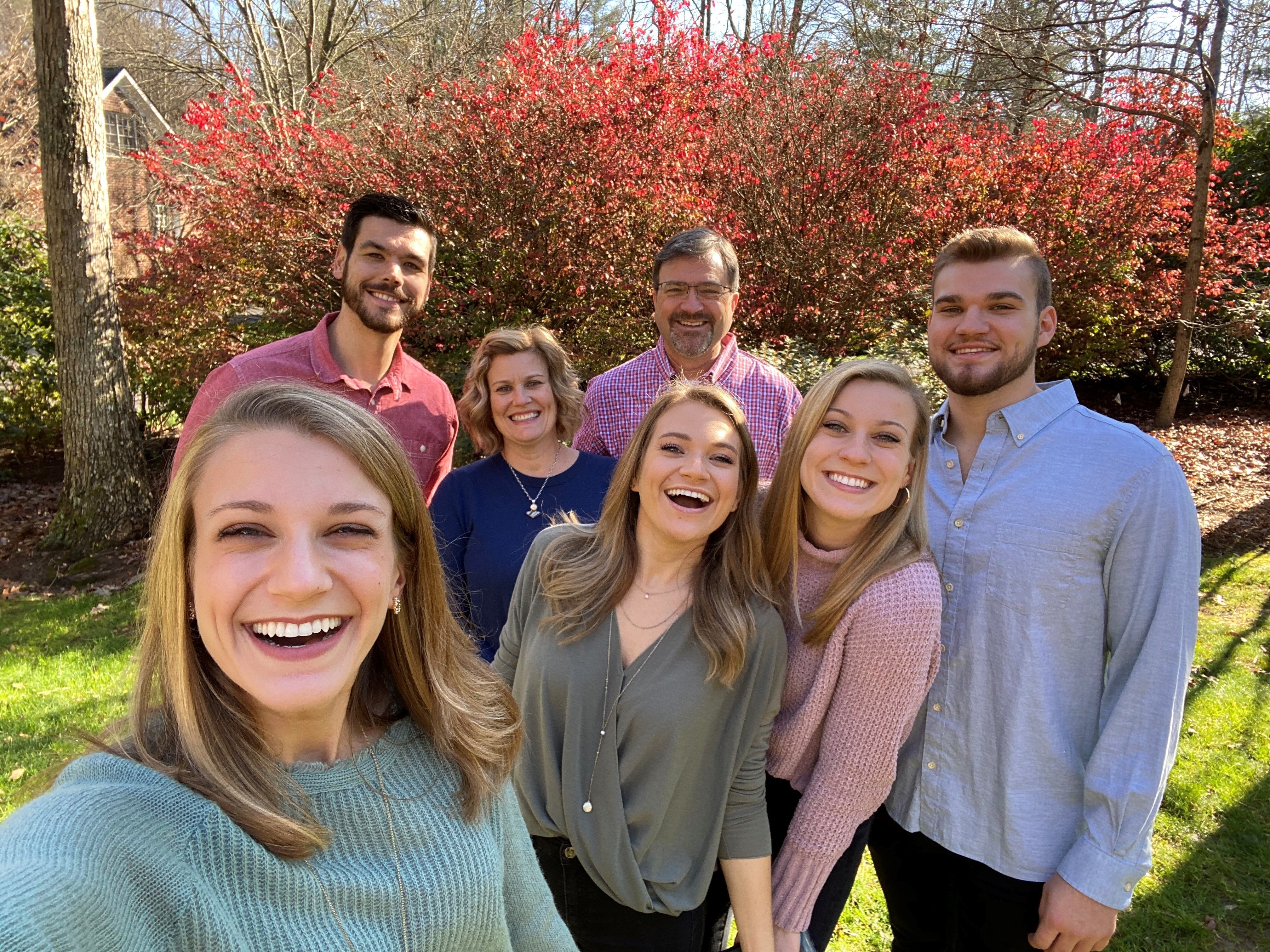
When Dr. Tim Vanderkwaak arrived in Asheville in the summer of 2000, he was stepping into more than a new job. Fresh out of fellowship, with a newborn at home and a young family in tow, he was beginning what would become a decades-long commitment to both medicine and community, one that has quietly transformed the landscape of women’s cancer care in Western North Carolina.
More than 25 years later, that commitment is still evident in the way he practices: with precision, humility and a deep sense of purpose.
“I didn’t come from a medical family,” he says. “I found my way into medicine through great mentors. And in gynecologic oncology, I realized I could know a lot about a little, and really make a difference.” Today, he works at Mission Health/HCA Healthcare and serves as the medical director at the Hope Women’s Cancer Center.
As a gynecologic oncologist, Dr. Vanderkwaak specializes in cancers of the female reproductive system: ovarian, uterine, cervical and vulvar cancers. He graduated from Wayne State University School of Medicine in Detroit and completed his residency at the University of Alabama in Birmingham. But his work goes far beyond diagnosis and surgery.
“I handle the surgical side, but also guide treatment—chemotherapy, newer therapies—and walk alongside patients through their entire journey.”
His days are split between the operating room and clinic, overseeing treatments that are increasingly delivered on an outpatient basis. Over the years, he has witnessed and helped implement dramatic changes in how cancer is treated.
“When I started, most patients had surgeries and stayed in the hospital for nearly a week,” he says. “Now, with robotic surgery and minimally invasive techniques, recovery is faster, complications are fewer, and patients get back to their lives sooner,” he says.
Those advancements extend beyond surgery. The rise of targeted therapies, immunotherapy, and hormone-based treatments has reshaped outcomes.
“We’re seeing real improvements in both survival and quality of life,” he says. “It’s been remarkable to watch. Walking with someone through one of the hardest times in their life and seeing them come out the other side is an incredible privilege."
His father was a minister and Dr. Vanderkwaak speaks openly about the role his faith plays in his work, especially during the most difficult conversations.
“This is a field where you’re often dealing with life-threatening illness,” he says. “My faith gives me strength and perspective. It helps me care for patients medically, and support them emotionally and spiritually.” He’s found that many patients welcome that approach.
“Sometimes, we pray together,” he says, creating an environment of compassion.
Despite advances, challenges persist, particularly when it comes to early detection.
“Ovarian cancer is still the hardest,” he says. “We don’t yet have reliable screening the way we do for cervical cancer with Pap smears.”
Symptoms that include bloating, abdominal discomfort, changes in bowel habits—can be subtle and easy to dismiss, especially as women get older.
“By the time many patients are diagnosed, it’s already advanced,” he explains. “But there’s hope. New blood tests, genetic tools, and circulating tumor DNA research are promising.”
In the meantime, he emphasizes the importance of routine screenings and awareness.
“Pap smears, breast exams, colon cancer screening and understanding your family history, those are critical,” he says.
Building a Legacy Beyond the Clinic
Dr. Vanderkwaak’s impact extends well beyond individual patients. As a medical director and educator, he has helped bring advanced cancer care and clinical research to Western North Carolina, while also training the next generation of physicians.
“We work with residents, medical students, and national research groups,” he says. “Being able to teach and mentor had been a very rewarding part of my career. One of which I am very thankful to be a part of.”
Through those efforts, patients in the region have gained access to cutting-edge treatments that might otherwise only be available in larger academic centers.
“That’s something I’m really proud of,” he says. “We’ve been able to elevate the level of care right here in this community.”
Grateful for Family and Biltmore Park
“I couldn’t do any of this without my wife, Michelle,” Dr. Vanderkwaak says. “Biltmore Park is an incredible place to raise a family.” They raised three daughters, Emily, Katy and Julianne, and one son, Ben, on Biltmore Park’s Baneberry Court. Today, they have a Furman graduate, two Alabama graduates, and one UNC Chapel Hill graduate. They also treasure three grandchildren who live nearby.
Outside the hospital, Dr. Vanderkwaak enjoys hiking and time with family. The couple has also been deeply involved in their church, Arden Presbyterian, and local service efforts over the years. They are big Alabama fans, and they decorate big for Christmas!
A Promising Future
For all he’s accomplished, Dr. Vanderkwaak is most energized by what lies ahead.
“The future is in personalized cancer care,” he says. “When we understand the genetics and biology of each individual cancer we can tailor specific treatment to our patients.” He’s already seeing the impact.
“We’re witnessing what feel like small miracles with targeted therapies and immunotherapy,” he says. “It’s an exciting time.”
After more than 25 years at Mission Health/HCA Healthcare, Dr. Vanderkwaak’s legacy is measured not just in surgeries performed or treatments delivered, but in lives changed.
“Every day, I try to provide excellent care and do it in a way that’s compassionate and meaningful,” he says. “This work it’s a privilege.”
And for the thousands of women and families he has guided through some of life’s most difficult moments, that privilege has made all the difference.