RAIMUNDO de MADRAZO y GARRETA
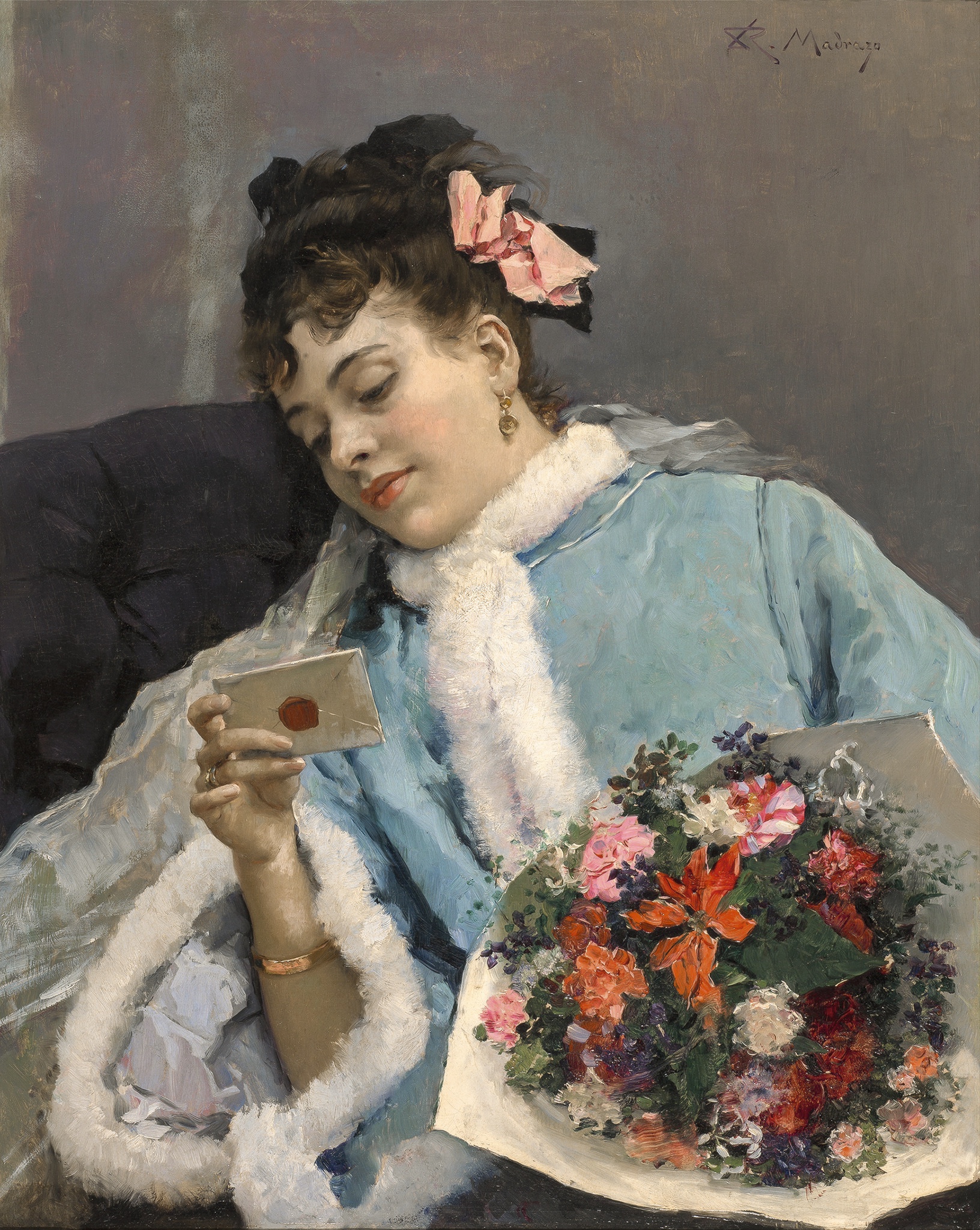
What does it take to become famous? …during your lifetime? No small task, most would agree. Becoming famous implies you have some skill, talent or attribute that others desire and often envy. Perhaps they are most desirous of what you can do for them. This was surely the case for the acclaimed portraiture artist from Spain who rose to fame during the Belle Époque - Raimundo de Madrazo y Garreta.
Renoir, Gaugin, Van Gogh, Picasso and other contemporaries of Raimundo’s during the late 1800s and early 1900s painted with contemporary abandon, forwarding the Impressionist and Art Nouveau movements. But Raimundo found himself trapped by his own design in a classic world of yesteryear and likely welcomed being known as “the painter of a bygone era.” He loved beauty, elegance and textures. His paintings make you want to reach out and touch the velvets, silks and satin fabrics often found in his work, because they look so soft and so real.
Raimundo started small and went large. His career began with small “genre scenes” or “tableautins” — paintings that were handheld or sat tableside. These small-format works were painted with great detail and focused on elegant but frivolous subject matter. Evoking historical dress of the Rococo period — nodding once again to days gone by — Raimundo was a master of the miniature. But by the end of his career, he was painting large-format portraits of European royalty — often measuring over six feet tall — evidence of his nimble climb to success.
In between the beginning and end of his professional life lies the middle — where he worked his magic, made a name for himself and became perhaps the most sought-after portrait artist in all of America and among the European elite. So how does one become a famous artist? In Raimundo’s case, it was having an inherited advantage, plus excellence at his craft. When you have a brother who’s a painter, an uncle who’s a painter, another uncle who’s an architect, and a sister who married a famous painter, you naturally become influenced by your artistic surroundings and company. And what if your grandfather was quite a famous painter AND went on to become the Director of the world-famous Prado Museum in Madrid? No pressure, but you would at minimum be very well positioned to also become a painter yourself. Adding in the final layer — the crouton of this fame-salad — is your very own father, also an accomplished painter, who was handed the Directorship of the Prado after his father. A huge portal for opportunity had been created, and Raimundo walked right through it. Raimundo de Madrazo y Garreta knew exactly what society wanted and how to deliver the goods.
The tableautins in their day were highly sought after, but the ultimate status symbol for people in society was to have their portrait made; and so Madrazo began to paint portraits of the wealthy. He often left the backgrounds simple and plain, focusing instead on the cosmopolitan sophistication of his subjects and depicting them as cheerful and optimistic. The people ate it up.
He soon became known as the “John Singer Sargent of Spain” and became the go-to portrait artist of the Gilded Age, along with Mr. Sargent. In America, he painted members of the Vanderbilt, Astor and Taft families. In Europe, he gained commissions from members of the Spanish aristocracy and the French bourgeoisie. Fame achieved.
Lucky are we to have the chance to see many of his masterpieces now until June 21, 2026. The Meadows Museum on the SMU campus is proudly hosting the exhibit “Raimundo de Madrazo.” The exhibit includes 75 paintings borrowed from private collectors and museums alike and is the only venue outside of Madrid, Spain, to host this brilliant collection. What a lovely way to spend an afternoon — gazing at beautiful art and letting yourself be inspired to become either the painter or the painted.