Naming the Trails
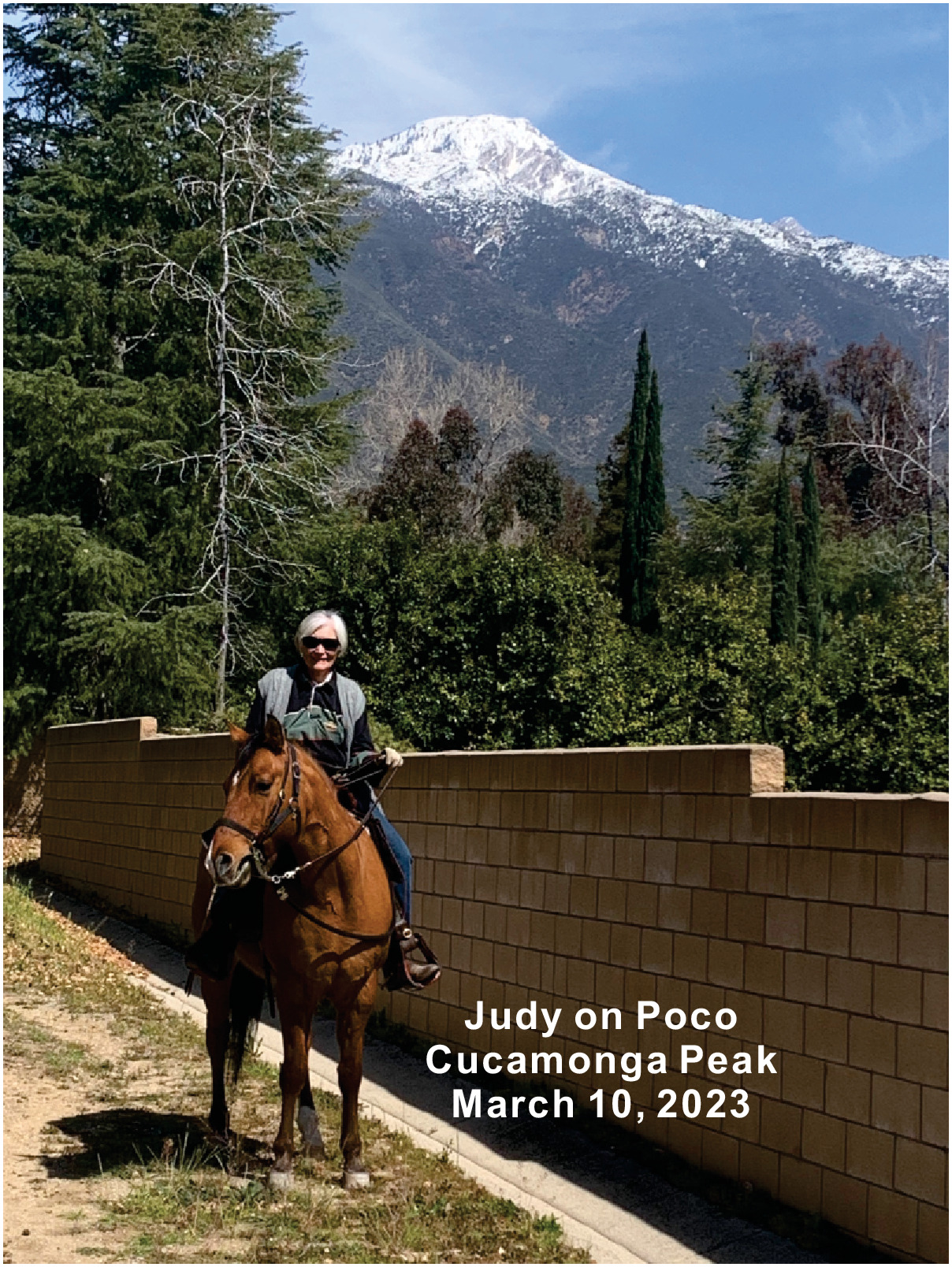
In the 1950s, when we were growing up in RH as “free-range children,” only a handful of the trails had widely recognized names. In 1951, members of the Caballeros del Rancho began the huge project of building the trails, naming them, mapping and measuring them, and putting up signage.
When my family moved to RH in 1954, many of the trails were still new and unnamed. The Caballeros wanted to include kids ages 10–18 in choosing the names, since we were the ones who used the trails most. With the adults’ guidance, we formed a group called El Caballo, which we referred to as the Junior Caballeros. We held our meetings at a neighbor’s home on lower Eastfield Drive and even elected officers—though I can’t quite recall what our “official duties” actually were.
Looking back, our parents gave us such a gift. It truly was a treasure. We learned life lessons that shaped us: the importance of community involvement, how elections worked, what responsibility looked like, and how even one person’s voice could make a difference in shaping our city. For me, those experiences directly influenced my later involvement in local government. When I faced a zoning issue years later, I could trace my motivation back to those formative days. It had a deep effect on all of us.
Of course, consensus was required. Our group would vote on trail names, and then the adults had to approve our selections. I still remember proudly proposing the names Willow Springs, Sleepy Hollow, and Purple Canyon.
Willow Springs seemed obvious with its lovely creek and dense growth of trees. It was a favorite spot for pollywog hunting in the spring. Sleepy Hollow got its name from the way the trees arched overhead, creating a tunnel that instantly brought Ichabod Crane and the famous story to mind.
And Purple Canyon? At the time, many trails had been freshly bulldozed. On one stretch of the canyon trail, a hill had been cut away, exposing bare rock. Running through the bank was a distinct purple vein. We always said it was quartz, though who really knows? Over the years, vegetation grew and covered the rocks, but I can still picture that striking purple streak.
Those were such carefree days—exploring RH on horseback and on foot, imagining, naming, and leaving our small but lasting mark on the community we loved.
The author’s connection to RH : I was in 3rd Grade when my parents Dr. Ed and Tess Wiater bought a one acre lot in Rolling Hills and built a home that overlooked LA and the Long Beach Harbor. Our house was one of many homes that were built in Rolling Hills during the 1950s. I remember moving in as a glorious event that soon included Janey, my favorite “ rent-string” horse from Lakewood Stables. My family owned the home for nearly 60 years. As an adult, I also lived in Norwalk, working as Director of Public Relations for Pacific Coast Quarter Horse Racing Association in Los Alamitos. My childhood experience naming the RH Trails gave me the confidence to become involved in local politics, ultimately as Mayor of the City of Norwalk. I still have ties to my beloved Rolling Hills through dear friends. We cherish those times when we walk together on the trails.