Worth Passing On
Conversations with Sullivan's Business Leaders, Entrepreneurs & Local Families
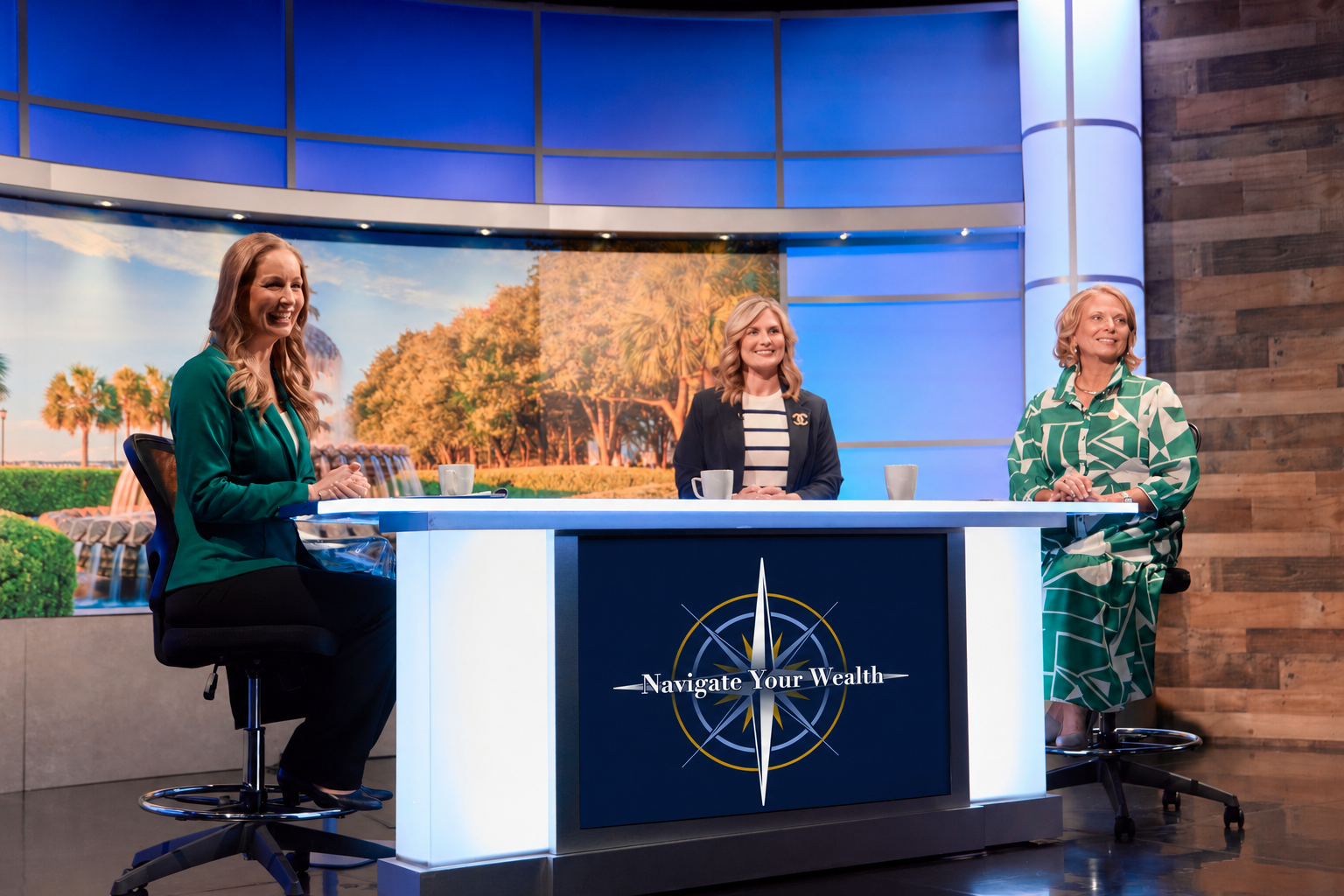
Every successful family has a story.
Not just about how they built their wealth, but about the experiences that shaped the way they think, lead, and make decisions.
That's the inspiration behind our new series, Worth Passing On. Each month, we'll sit down with business owners, entrepreneurs, community leaders, and families throughout Sullivan's Island to explore the philosophies that shaped their success. Along the way, we'll unpack one financial concept from each conversation, one that may leave you thinking, "I've never considered that before."
I thought the best place to begin was by introducing ourselves.
Before we begin sharing the stories of others, I thought we'd start by sharing a little of our own.
A Conversation Worth Passing On: The Interview
What does legacy mean to you?
Sam: People often think legacy is what you leave to your children. I think legacy is what you instill in them. Of course I hope Charlie and Joey inherit wealth one day, but even more importantly, I hope they inherit character, confidence, generosity, and a servant's heart. If they understand that money is simply a tool to create opportunities and bless others, I'll feel like we've succeeded. Legacy isn't something you leave behind. It's something you build every single day.
Karen: Financial security matters, but if your wealth creates entitlement instead of opportunity, you've missed the point.
What's one financial lesson you wish more successful families understood?
Karen: Most people spend decades building wealth but very little time learning how to preserve it. Retirement isn't won by earning the highest return. It's won by making fewer costly mistakes.
Taxes, inflation, market volatility, healthcare costs, and longevity quietly erode wealth. The goal isn't simply to have more money. It's to create more spendable income, with less risk, while keeping more of what you've earned.
What's one unconventional strategy you've seen create extraordinary results?
Sam: The biggest breakthroughs usually don't come from discovering something brand new. They come from looking at familiar strategies through a completely different lens.
One example is properly designed cash value life insurance. Many families think of it only as a death benefit. But through the right lens it can be a flexible pool of capital that can evolve alongside their lives, helping fund education, create business opportunities, provide retirement liquidity, or become part of a family's legacy.
Whether it's the right strategy depends entirely on the family's goals. But it's a perfect example of why asking better questions often leads to better financial outcomes.
Success has given you opportunities. How has it changed your responsibility?
Karen: Success has increased my responsibility far more than it has increased my opportunities. When families trust us with everything they've worked a lifetime to build, that's a responsibility I never take lightly.
After more than 45 years in this profession, I believe that if a strategy can help a family retire with greater confidence, reduce unnecessary taxes, or leave a stronger legacy, they deserve to know it exists. That's why we continue writing, teaching, speaking, and having conversations like this.
Sam: The longer I've done this, the more I've realized we're not really in the money business. We're in the people business. Money is simply the tool that helps families create freedom, opportunities, and peace of mind.
If your children or grandchildren only remembered one thing about money, what would you hope it would be?
Sam: Money is meant to serve your life, not become your life. The moments our family will treasure most won't be measured by account balances. They'll be measured by time together, generosity toward others, and knowing we used what we'd been given to make someone else's life better.
Karen: I've always told my children, and now my grandchildren, that money is a wonderful servant but a terrible master.